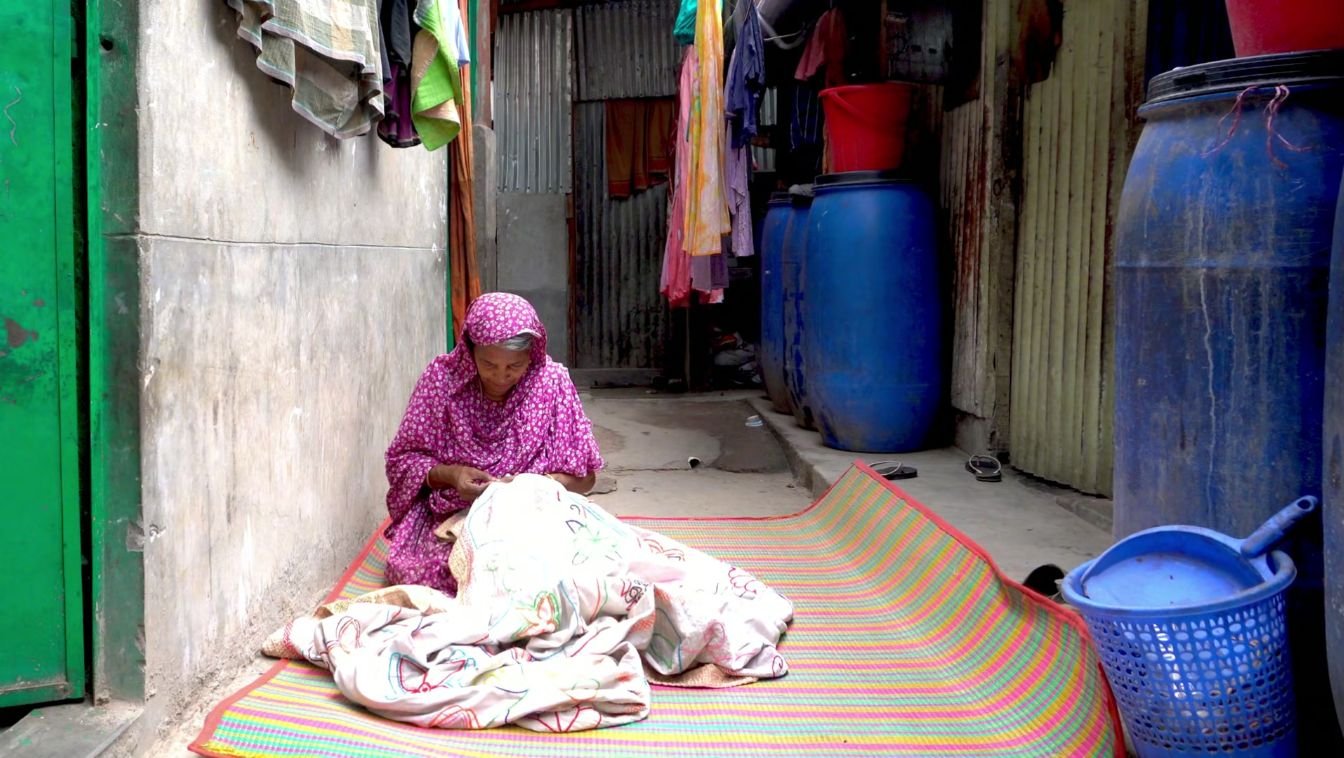
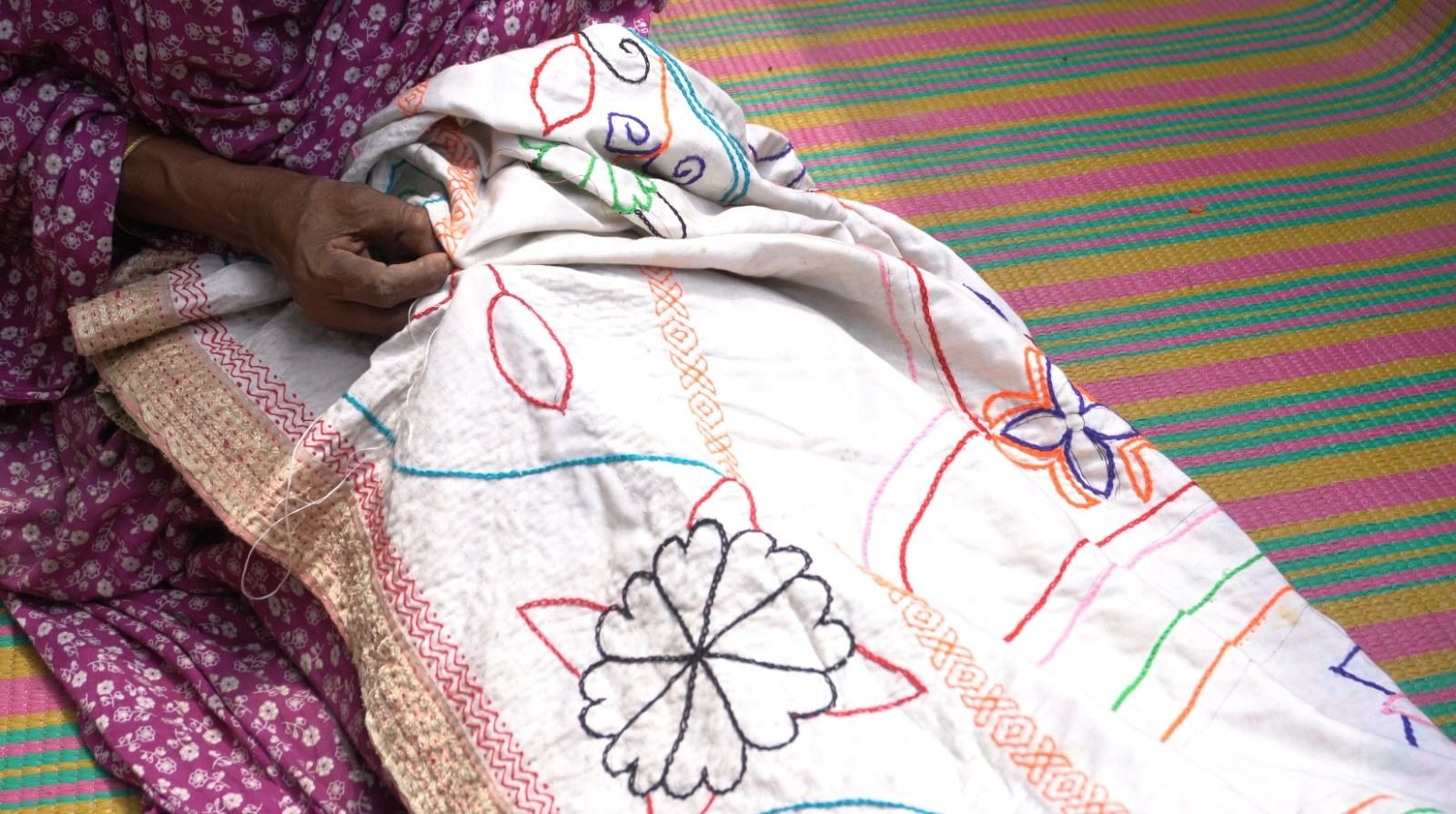
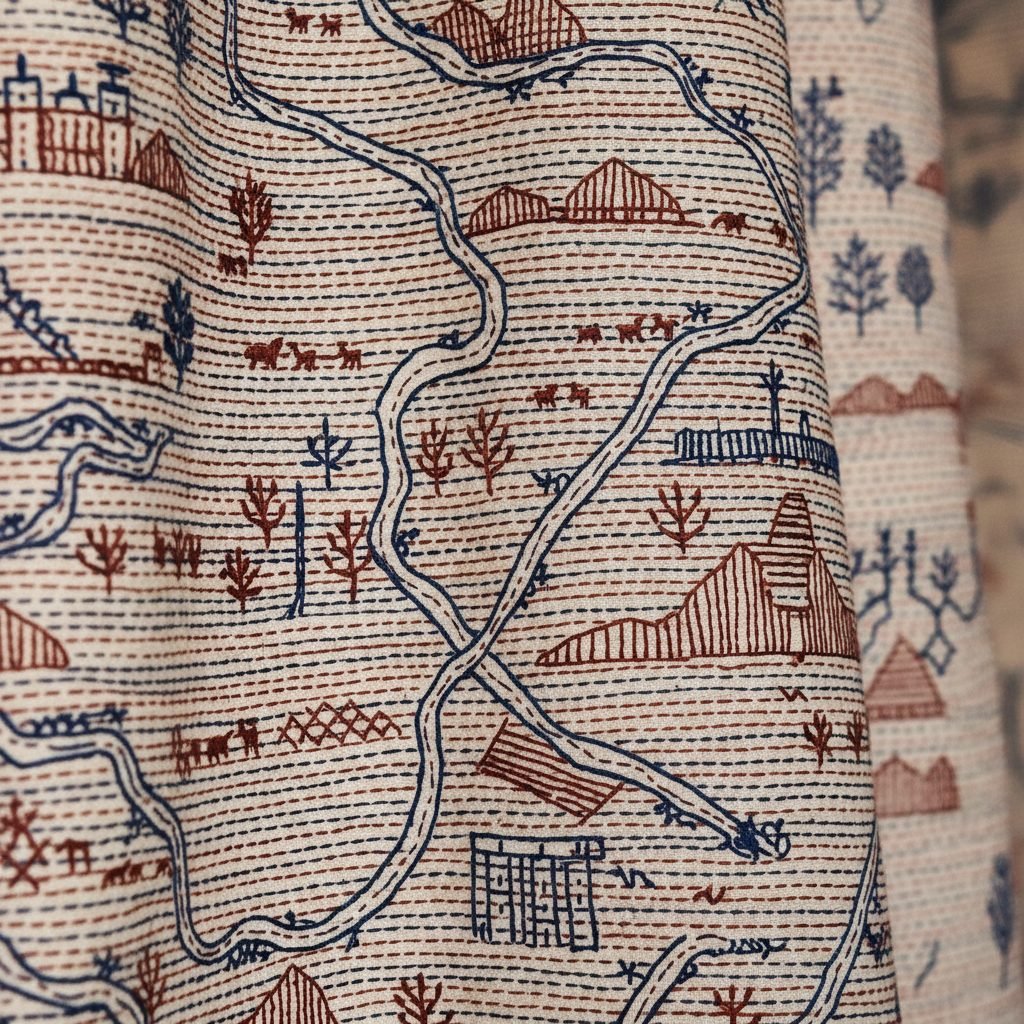
1. Narrative Nakshi Kantha Stitching
Embroidering personal stories and climate-adaptation narratives onto fabric quilts.
The Powerful Tools for Interventions
Where Bangladesh's ancient craft traditions become pathways to mental health recovery, psychosocial rehabilitation, and community co-regulation.
Our Calling
Moner Kaj integrates evidence-based creative arts therapies and formal peer support structures as a core component of systematic support for persons with mental disorders and neurodivergent conditions.
By embedding structured expressive art therapies, we give them the opportunity to connect and express themselves through creative works rooted in Bangladesh's living craft traditions. Our mission acts as a conduit of self-worth and psychiatric rehabilitation across rural and urban margins.
Intervention Design
At Moner Kaj, every craft is more than a creative activity — it is a carefully designed therapeutic intervention.
We develop each crafting and creating experience into a structured, evidence-based intervention package rooted in creative arts therapy and art therapy. Our professional therapists design these programs to target specific mental health challenges — trauma, depression, anxiety, and grief — transforming traditional Bangladeshi crafts into powerful clinical tools for healing, coping, and returning to a healthy life.
Therapeutic Channels
Embroidering personal stories and climate-adaptation narratives onto fabric quilts.
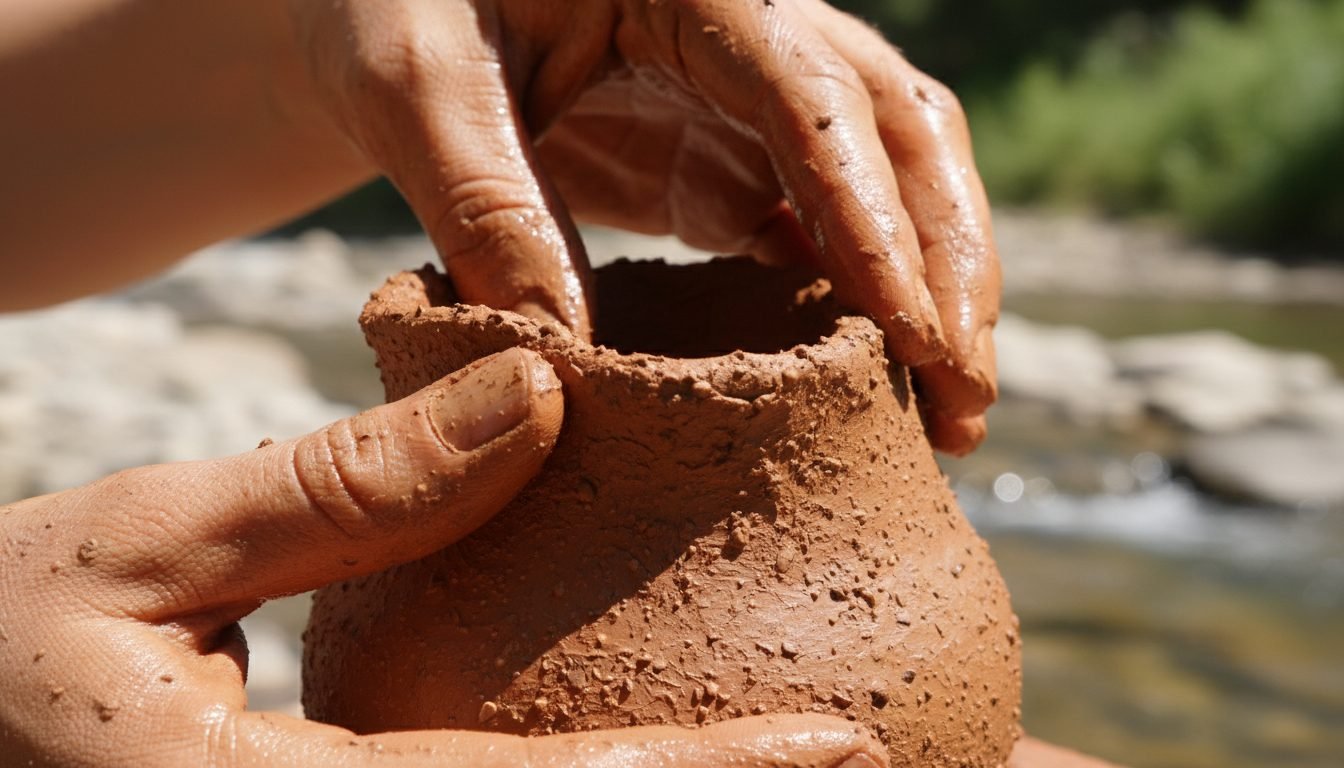
Sculpting resilience through earth and hands, translating emotional friction to physical form.
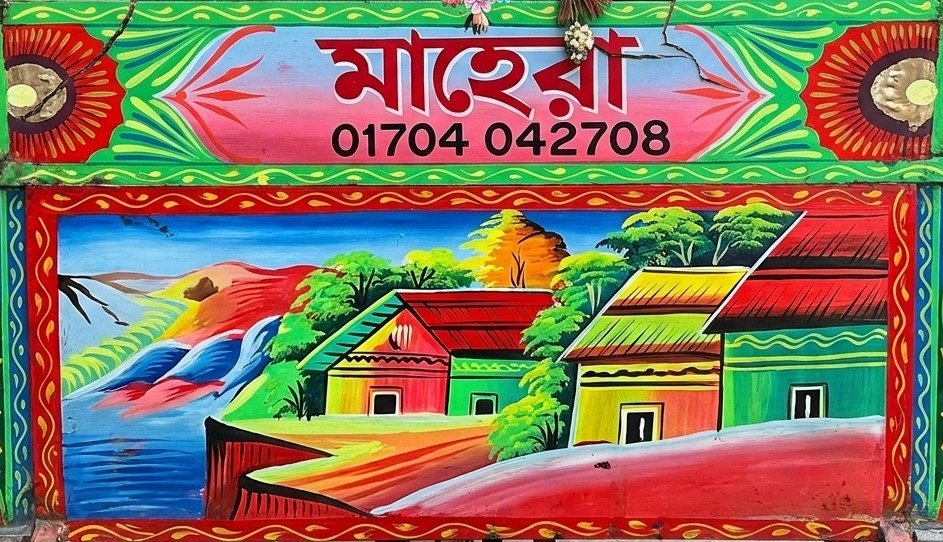
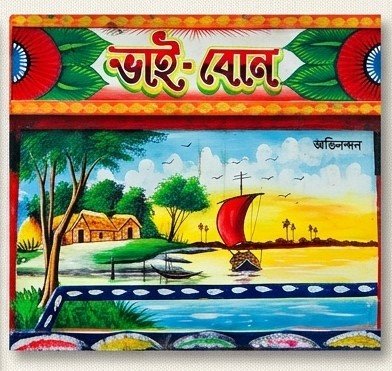
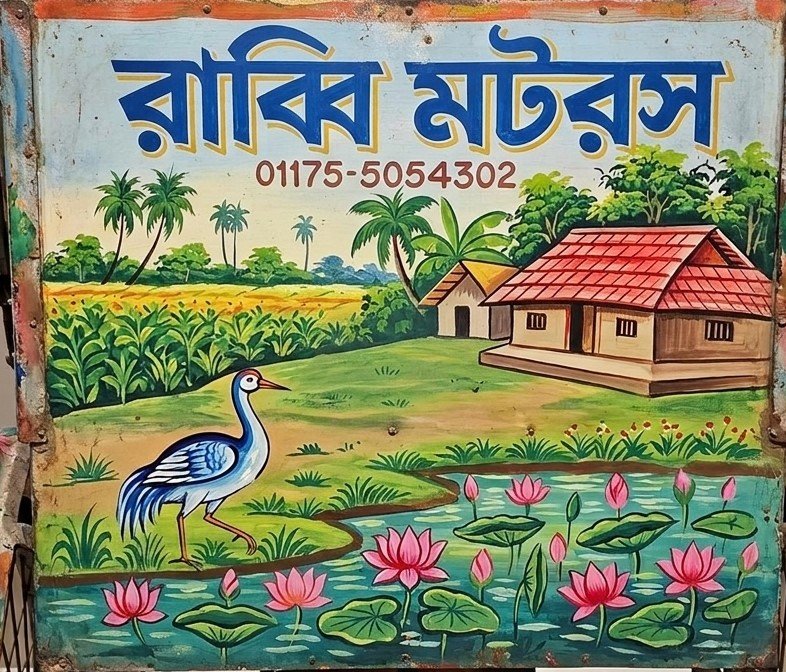
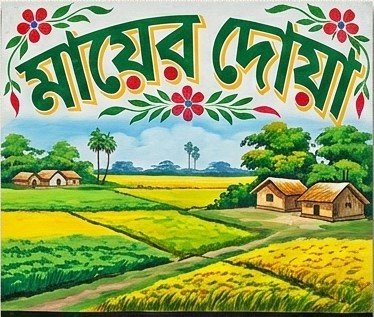
Channeling vibrant folk expression through iconic, therapeutic Bengali pop-art.
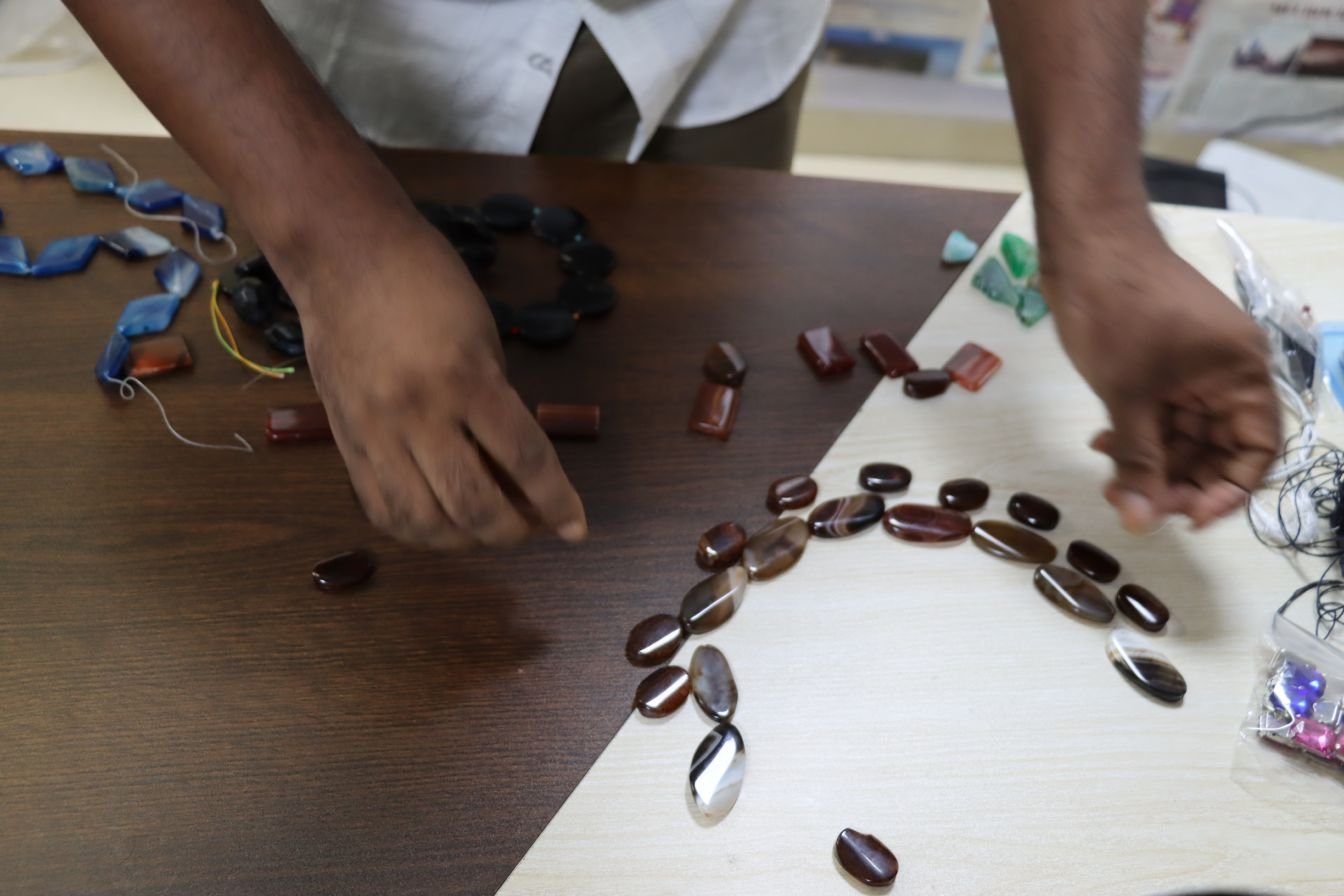
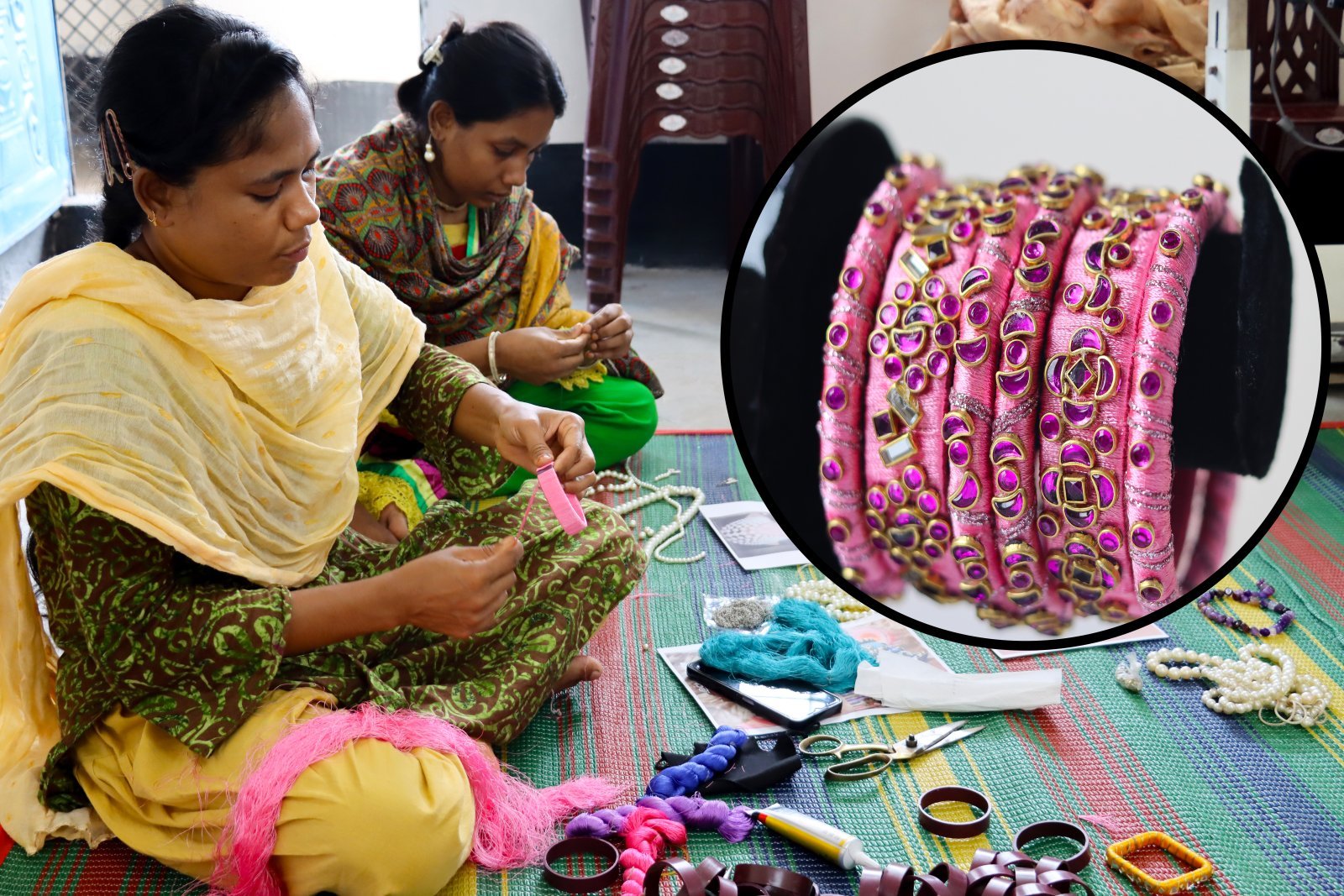
Crafting beauty and precision as a meticulous meditative practice.
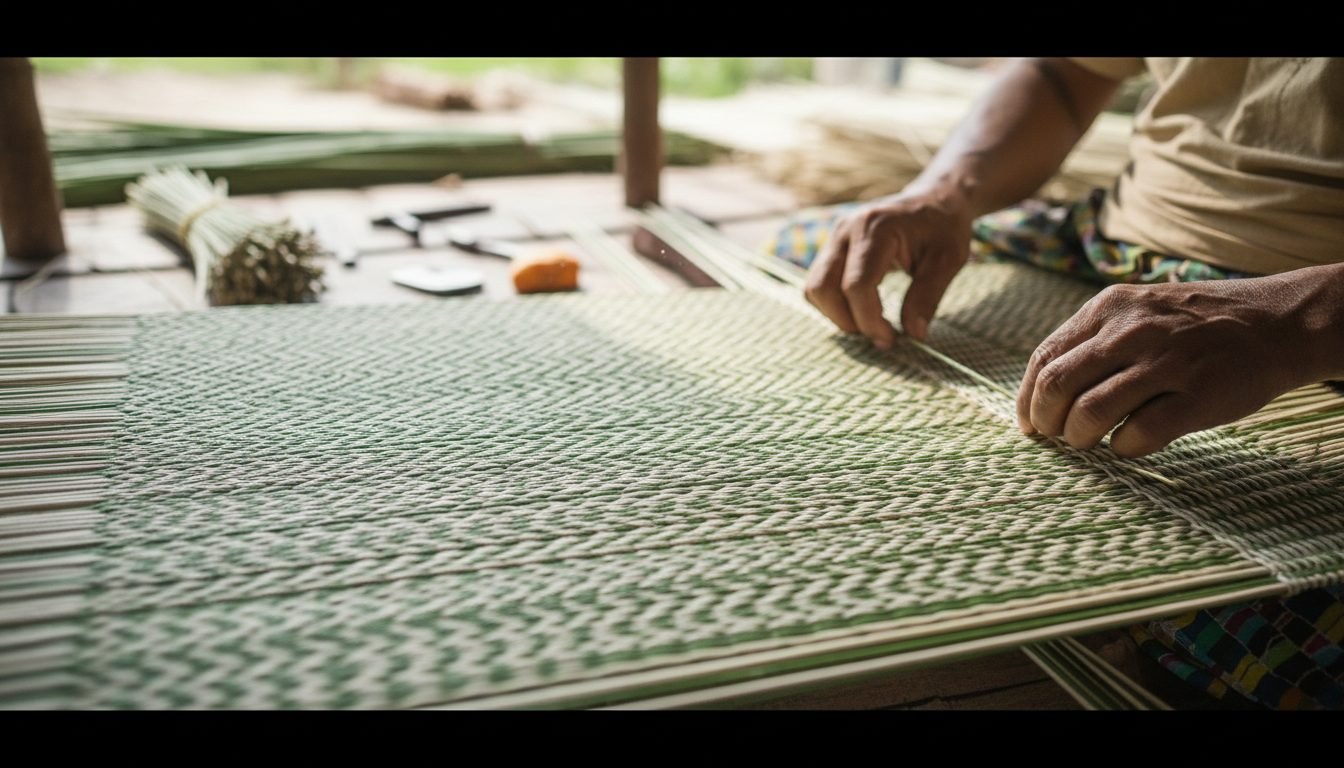
Rhythmic mat-weaving from Sylhet's cool, ancient riverine cane tradition.
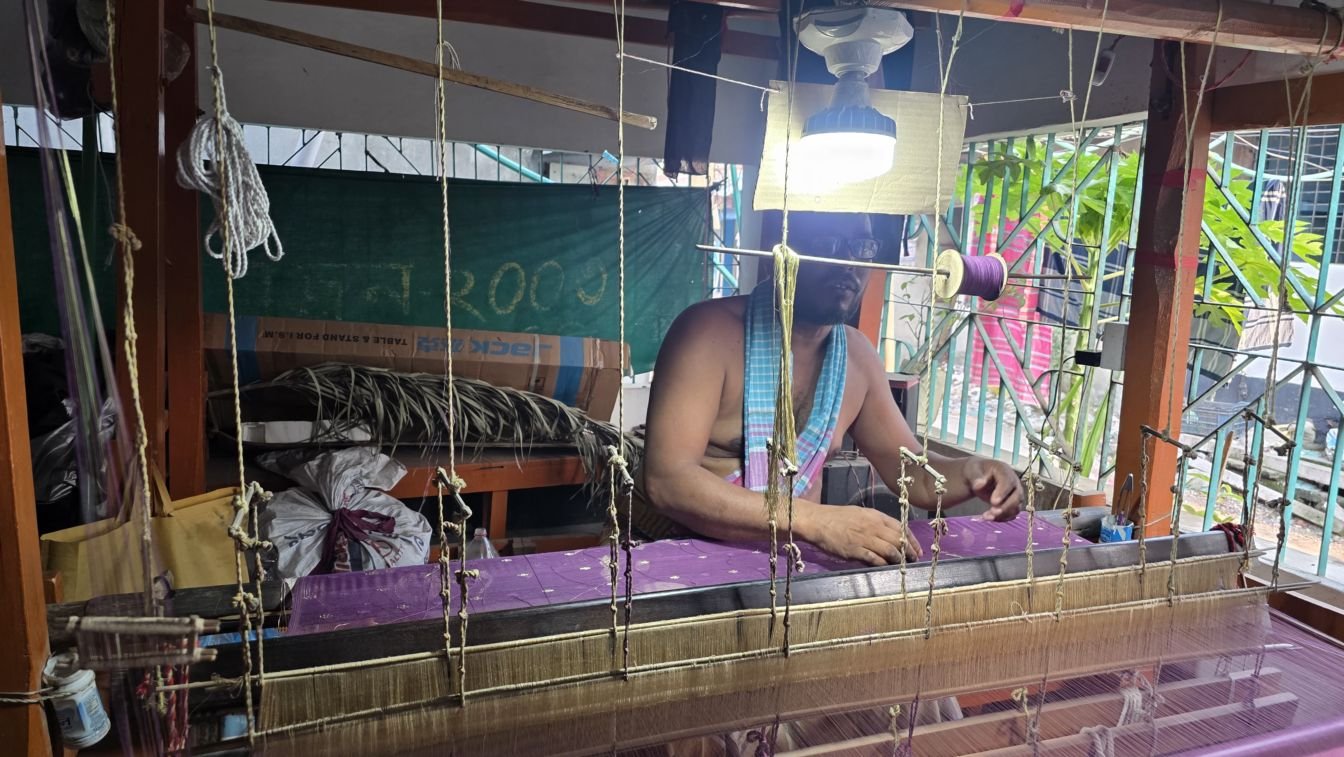
Designing traditional garments as visceral acts of cultural reclamation.
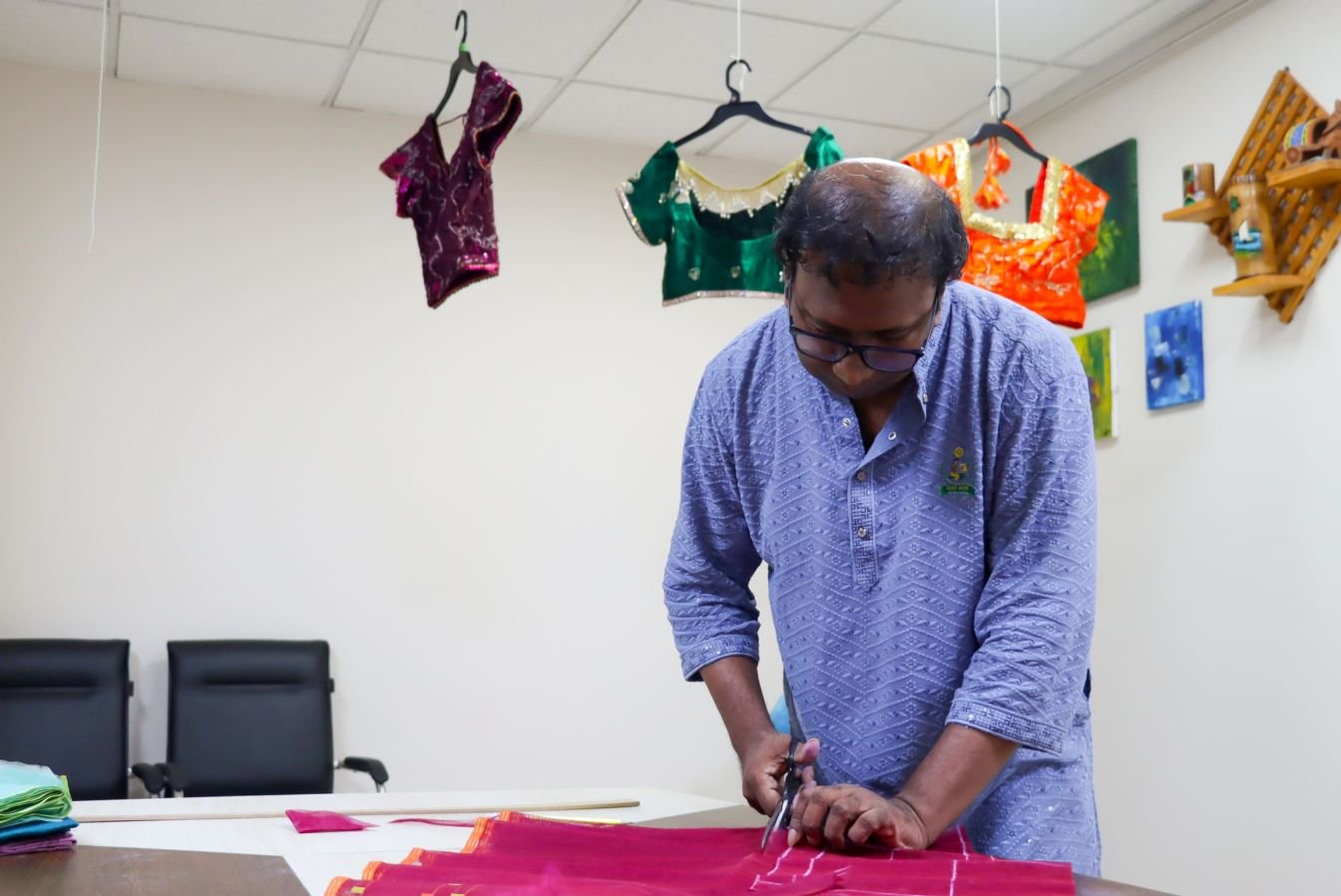
Building raw vocational skill, solid identity, and absolute independence.
Care Delivery
Individual Therapy
Professional art therapists guide artisans one-on-one through personalized craft-based interventions.
Each session is tailored to the individual's specific trauma, depression, anxiety, or grief — using the chosen craft as the therapeutic medium for expression and processing.
Group Therapy
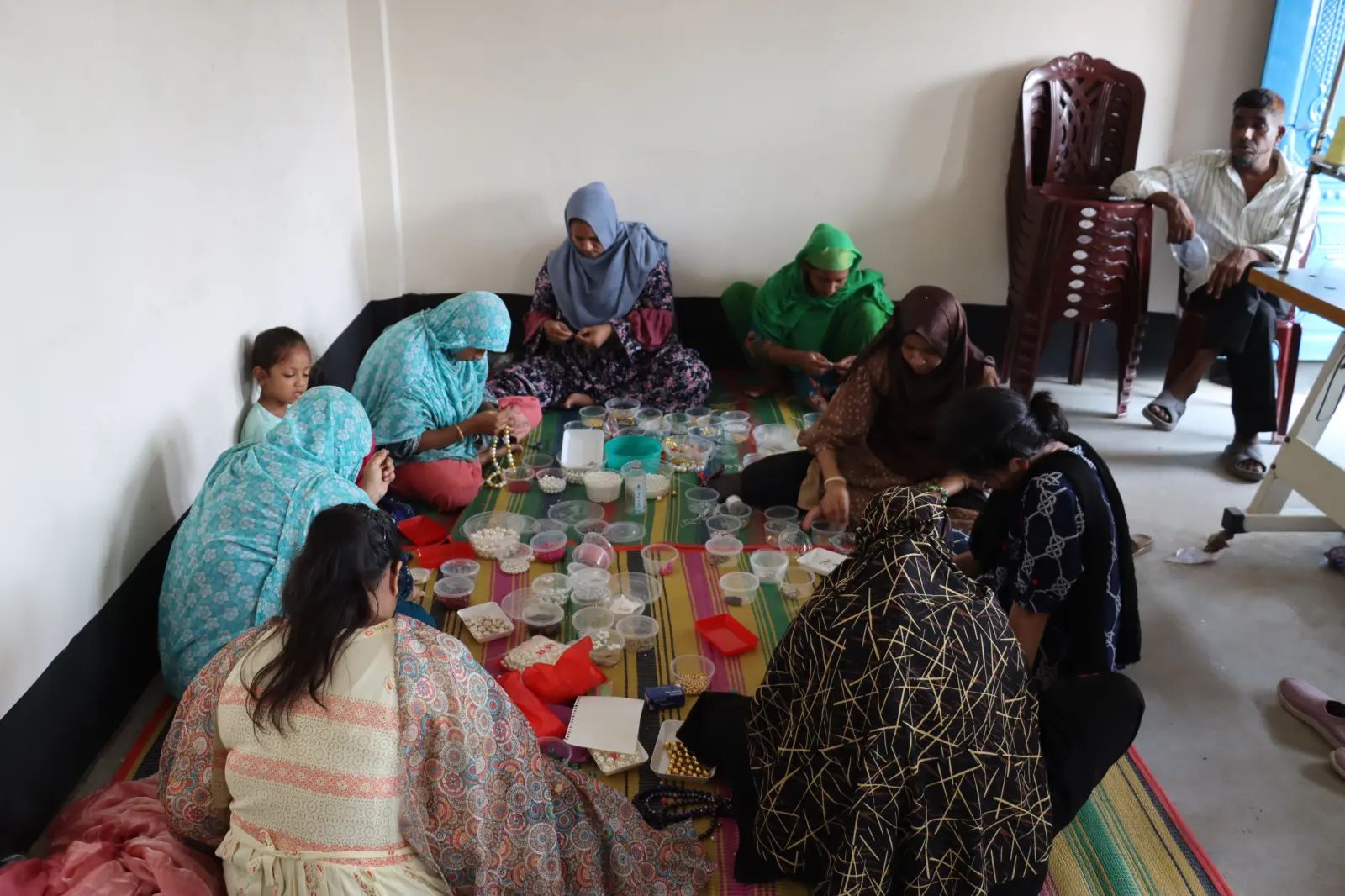
Professionally facilitated group sessions bring artisans together to work on shared creative projects.
The group setting enables natural interpersonal co-regulation, counteracting social withdrawal and isolation while building bonds through collective creative expression.
Peer Support Facilitation
Moner Kaj strengthens and redesigns its existing peer support network.
Credentialed peer workers and administrators serve as embedded clinical buffers, using experiential empathy to scaffold task management, mitigate executive dysfunction, and provide immediate, non-punitive emotional containment during distress episodes. Artisans who have progressed in their healing journey support newer members — creating a self-sustaining ecosystem of mutual care.
Focus Specimen
At Moner Kaj, every craft becomes a voice for memory. In Nakshi Kantha stitching, artisans embroider stories of lost riverbanks and childhood homes onto quilts — portable archives of a homeland that climate change erased. In painting and rickshaw art, they color the landscapes of joy and grief alike. Through jewellery making, they shape precious tokens of remembrance. In dressmaking and shari design, they weave identity and heritage into every seam. Whether the memory is one of celebration or sorrow — of festivals and family, or of floods and displacement — these crafts give it form, weight, and dignity. The good memories are honored. The grief is witnessed. The stories of climate change, loss, and resilience are preserved. Each creation becomes a personal testimony — proof that these experiences matter and deserve to be seen.
“When I stitch my village onto cloth, paint my mother's garden, or shape a bead from the clay of my riverbank — I am not just making something beautiful. I am keeping my story alive.”
— Clinical Lead, Moner Kaj
Psychosocial Architecture
Layer One
Operating within shared, low-stimulus group settings enables natural interpersonal co-regulation, counteracting the profound social withdrawal and isolation associated with severe mental illness. Safe spacing and manual rhythmic focus align nervous systems.
Layer Two
Credentialed peer workers and administrators serve as embedded clinical buffers, utilizing experiential empathy to scaffold task management, mitigate executive dysfunction, and provide immediate, non-punitive emotional containment during distress episodes.
Methodology
Through systematic synthesis of specialized creative interventions and communal psychological safety, Moner Kaj converts craft production into a measurable framework for long-term clinical stabilization and psychosocial recovery.
Geography of Emotions
Co-Designed to Preserve Endangered Heritage
Every therapeutic intervention at Moner Kaj is co-designed and co-developed with local artisan communities, cultural practitioners, and mental health professionals. This collaborative approach ensures that our creative interventions are not only clinically effective but also culturally authentic — preserving the Bangladeshi cultural context at every step.
Many traditional art forms — Nakshi Kantha embroidery from Rajshahi and Jamalpur, Shital Pati weaving from Sylhet, the vibrant Rickshaw painting tradition of Old Dhaka, clay modeling from the river deltas — are endangered. Younger generations are leaving these crafts behind, and climate displacement is scattering the communities that kept them alive.
Moner Kaj turns this crisis into an opportunity for dual healing. By embedding these endangered crafts into structured therapeutic interventions, we simultaneously address mental health needs and preserve irreplaceable cultural heritage. Every quilt stitched, every pot shaped, every rickshaw panel painted is both an act of personal healing and an act of cultural preservation.
Our co-design process brings together the artisan who holds the craft knowledge, the therapist who understands the healing potential, and the community that gives the work meaning. Together, they create intervention packages that honor tradition while serving recovery.
When I stitch my village onto cloth, I feel like I am bringing my home back from the water.
Make a Difference
Support Moner Kaj in preserving Bangladesh's endangered craft heritage while building structured pathways to mental health recovery. Whether as a clinical partner, community organizer, or patron, you help restore minds and traditions.