Though 60 to 90 million people around the world with lived experience of serious mental disorders have the necessary skills and clinical improvement, around 90% of them in low- and middle-income countries remain unemployed. Around 50 million adults globally live with autism and/or an intellectual disability and want to work, but remain unemployed. People living with these two different conditions face exceptionally high, multilayered barriers to employment in low-resource countries like Bangladesh.
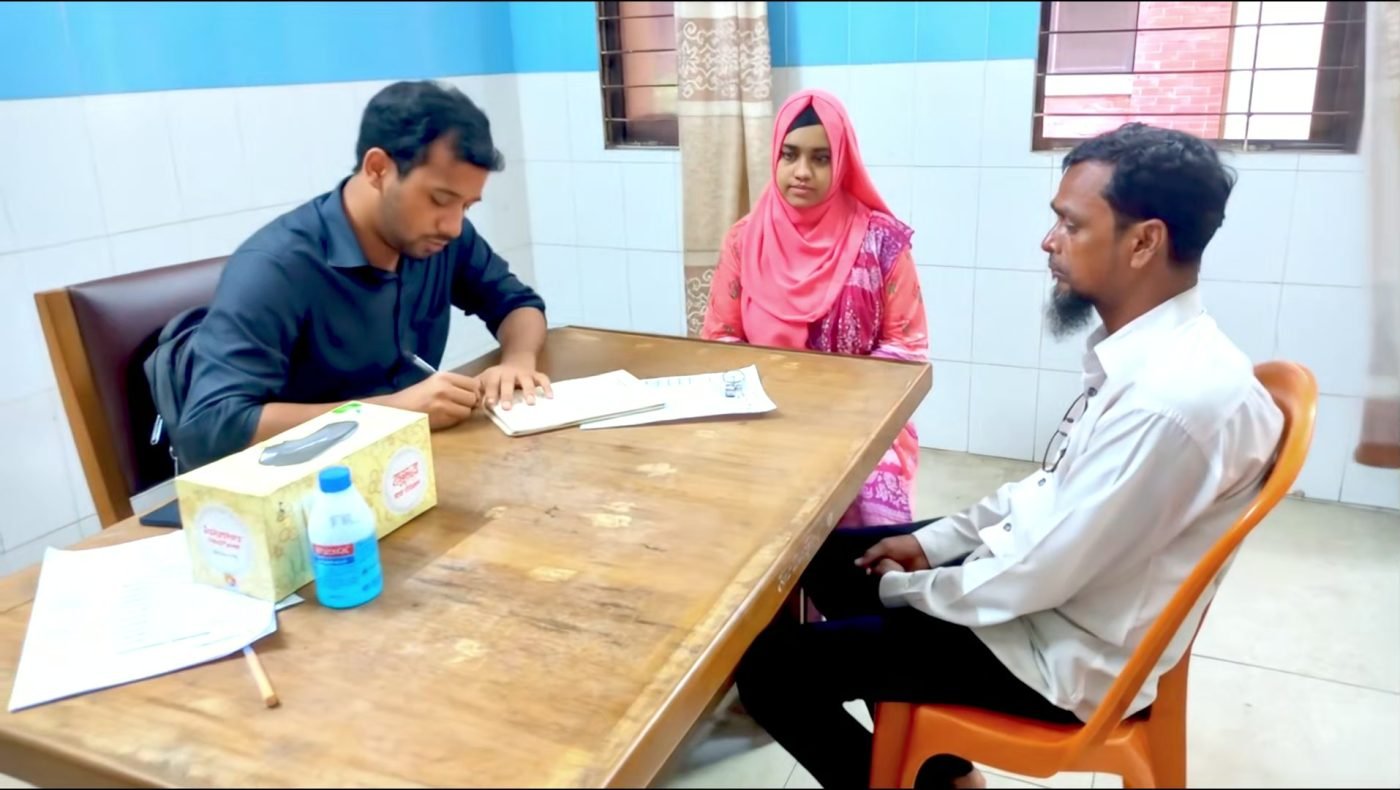
As a practising psychiatrist, I have worked directly with neurodivergent individuals and people with serious mental disorders in Bangladesh for 12 years. I have seen how institutional barriers and sociocultural stigma restrict their educational and employment opportunities. Our rigid education systems, stigmatised society and limited training facilities prevent many from gaining formal qualifications or demonstrating their abilities.
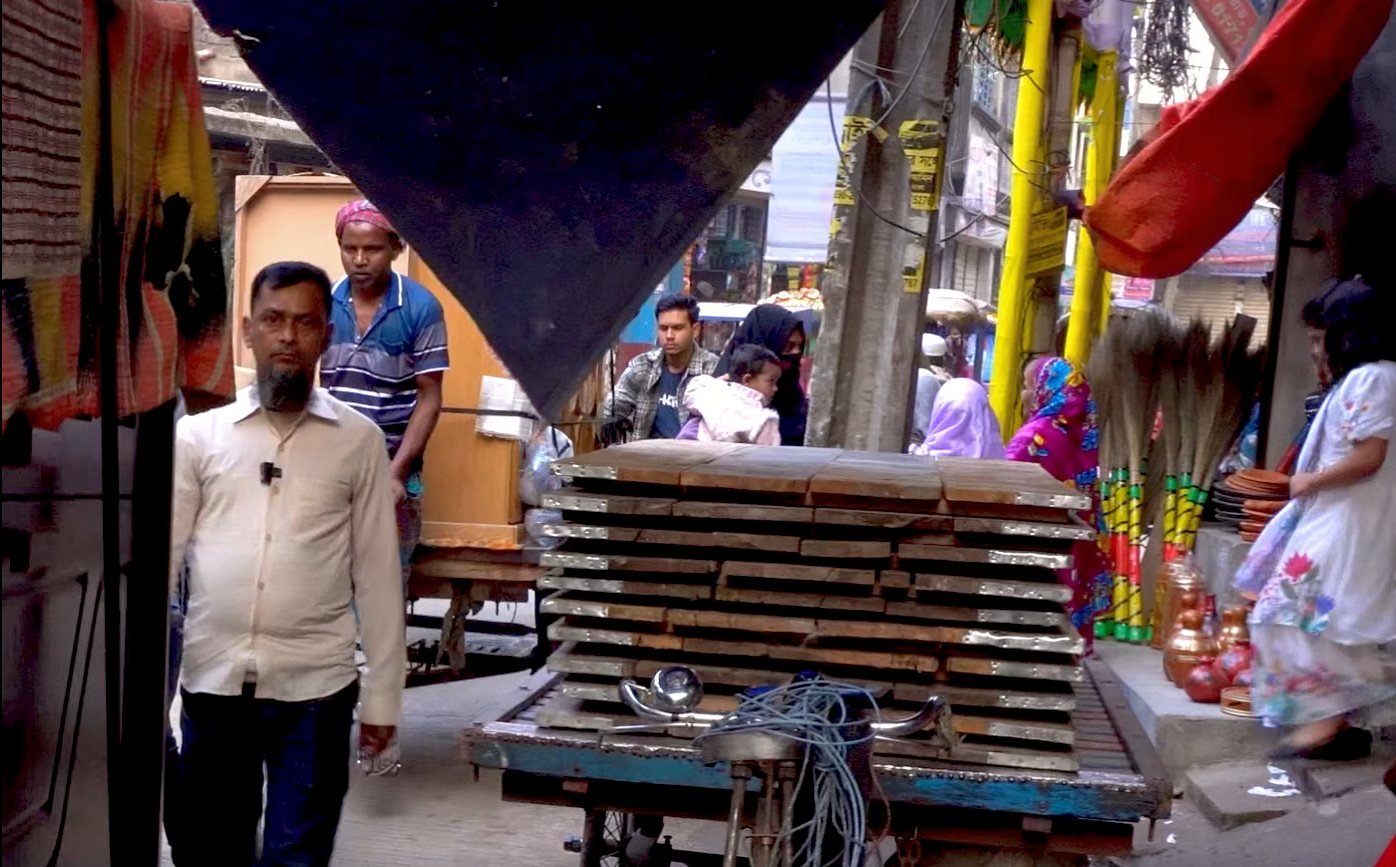
Even people who have built the skills and succeeded in their careers, including those with the highest educational qualifications, may struggle to find work once they are diagnosed with a serious mental disorder, even in roles below their level of competence. The causes are deep-seated sociocultural stigma and inflexible workplaces. This leaves millions trapped in permanent, involuntary dependency, creating immense economic and emotional strain for themselves and their families.
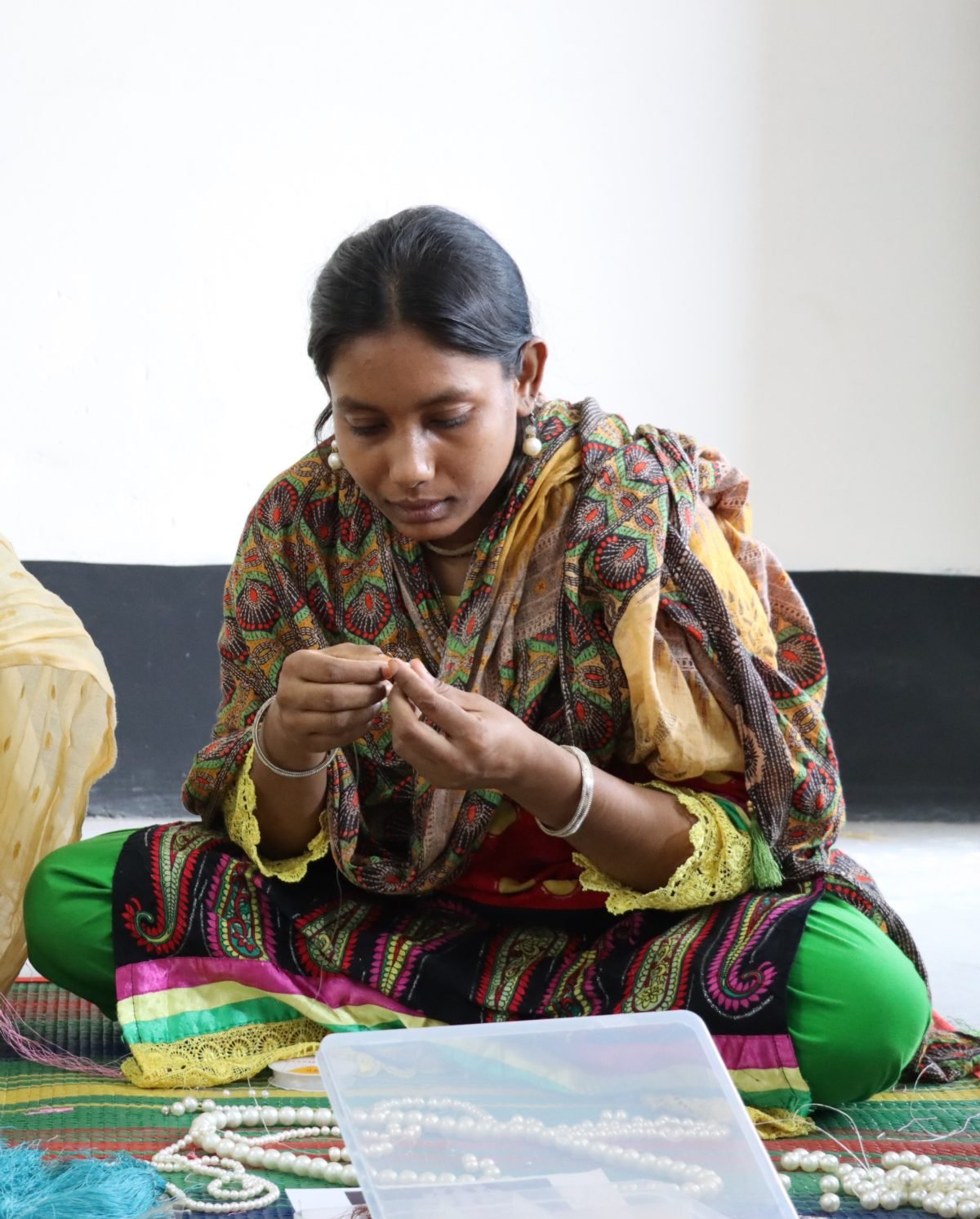
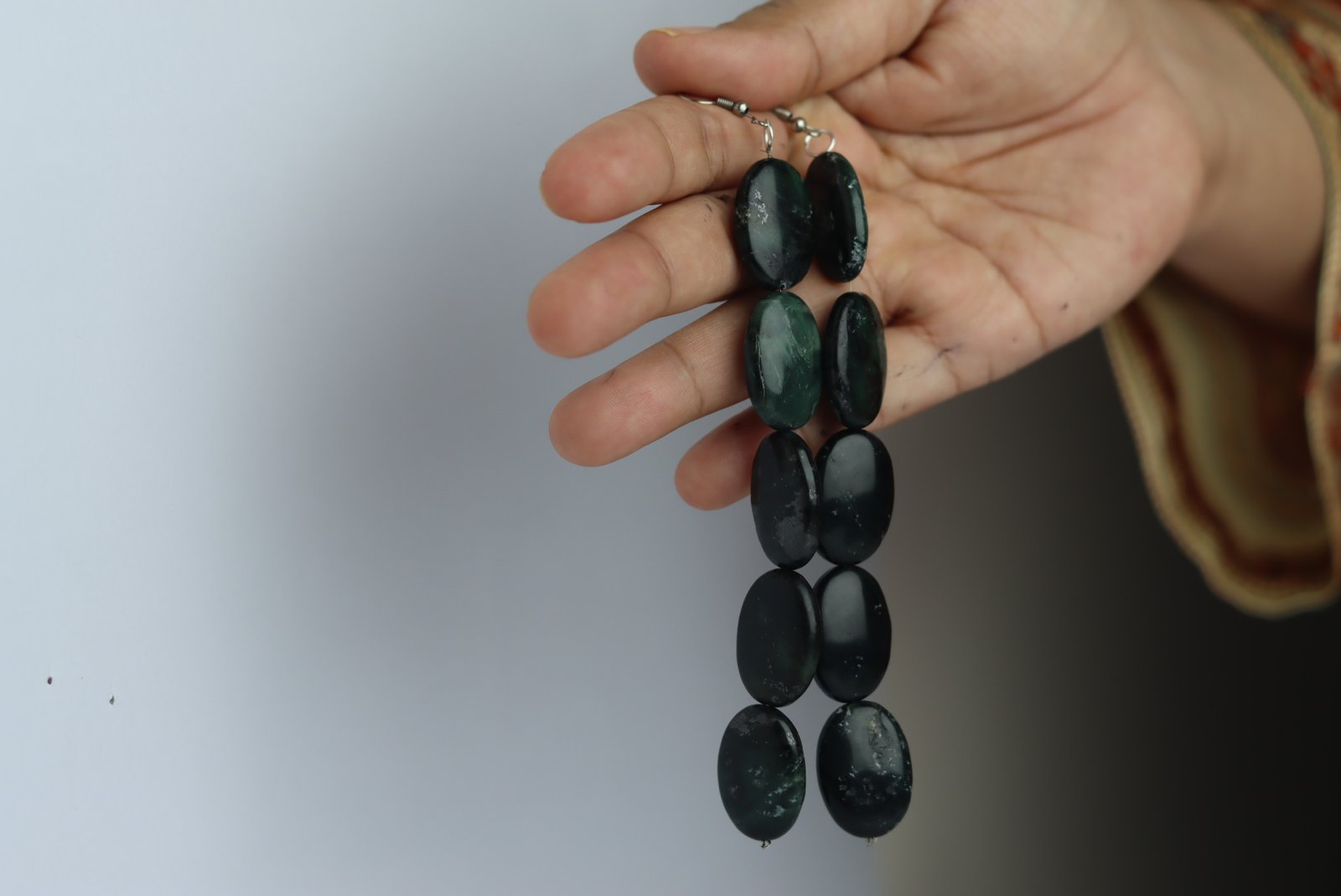
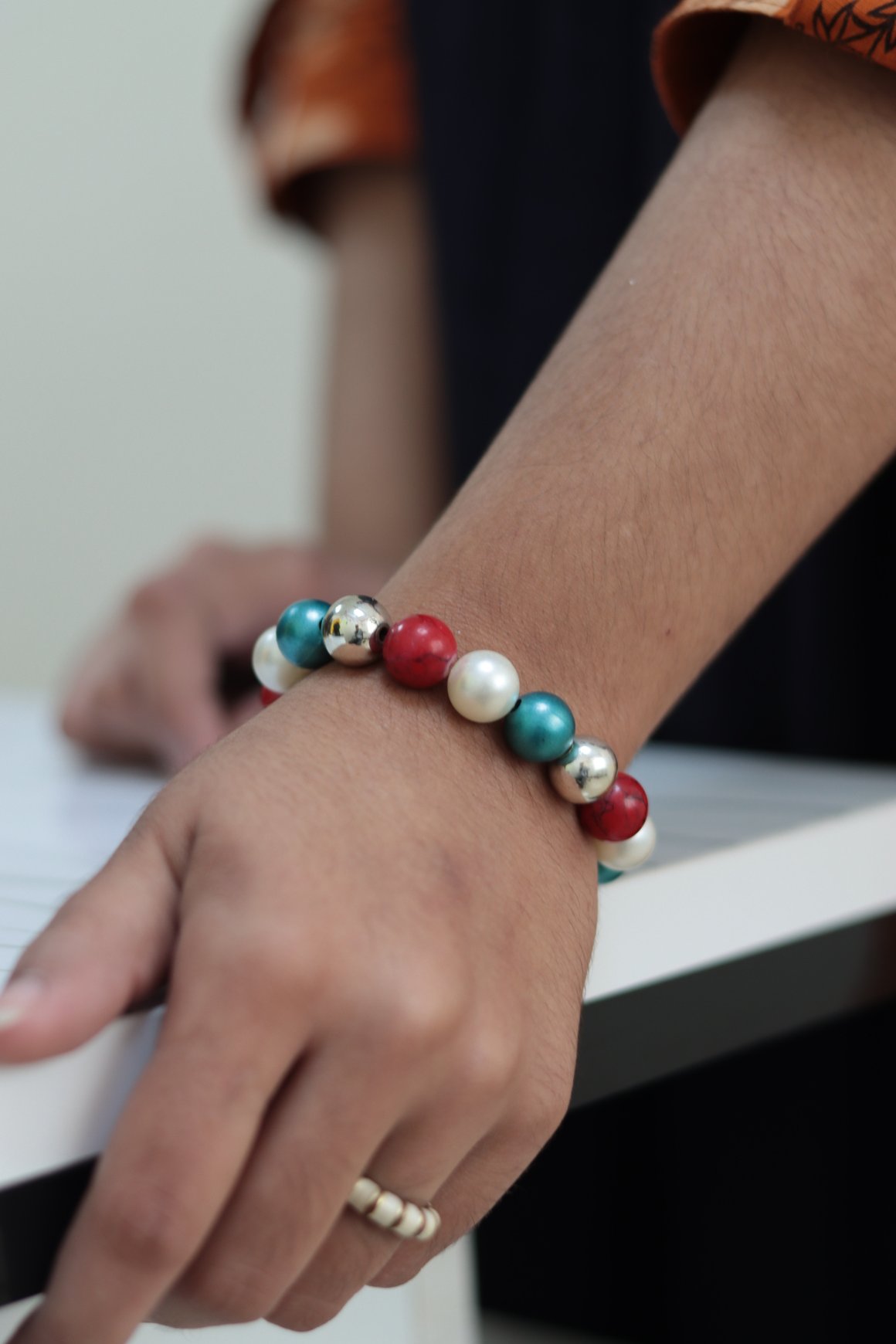
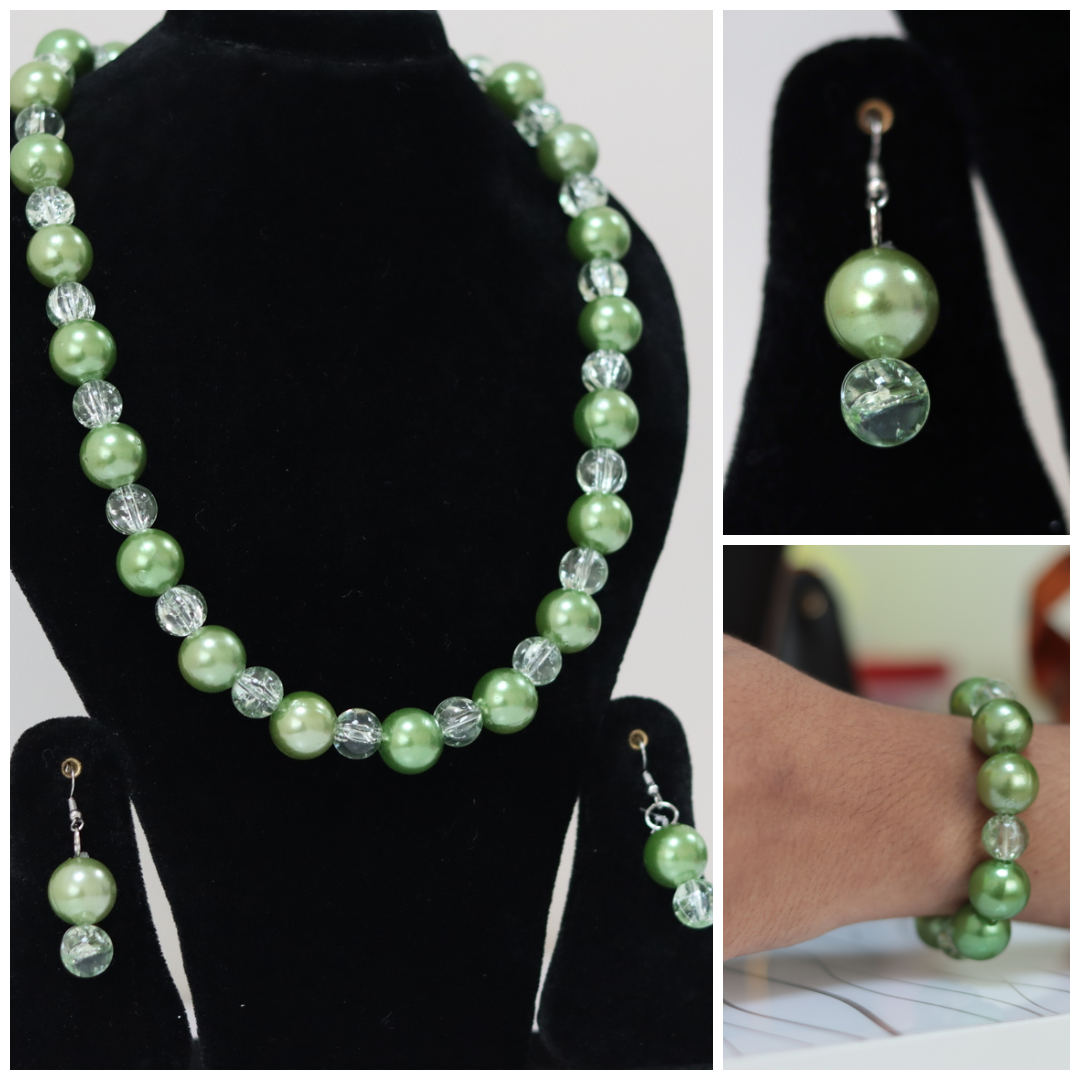
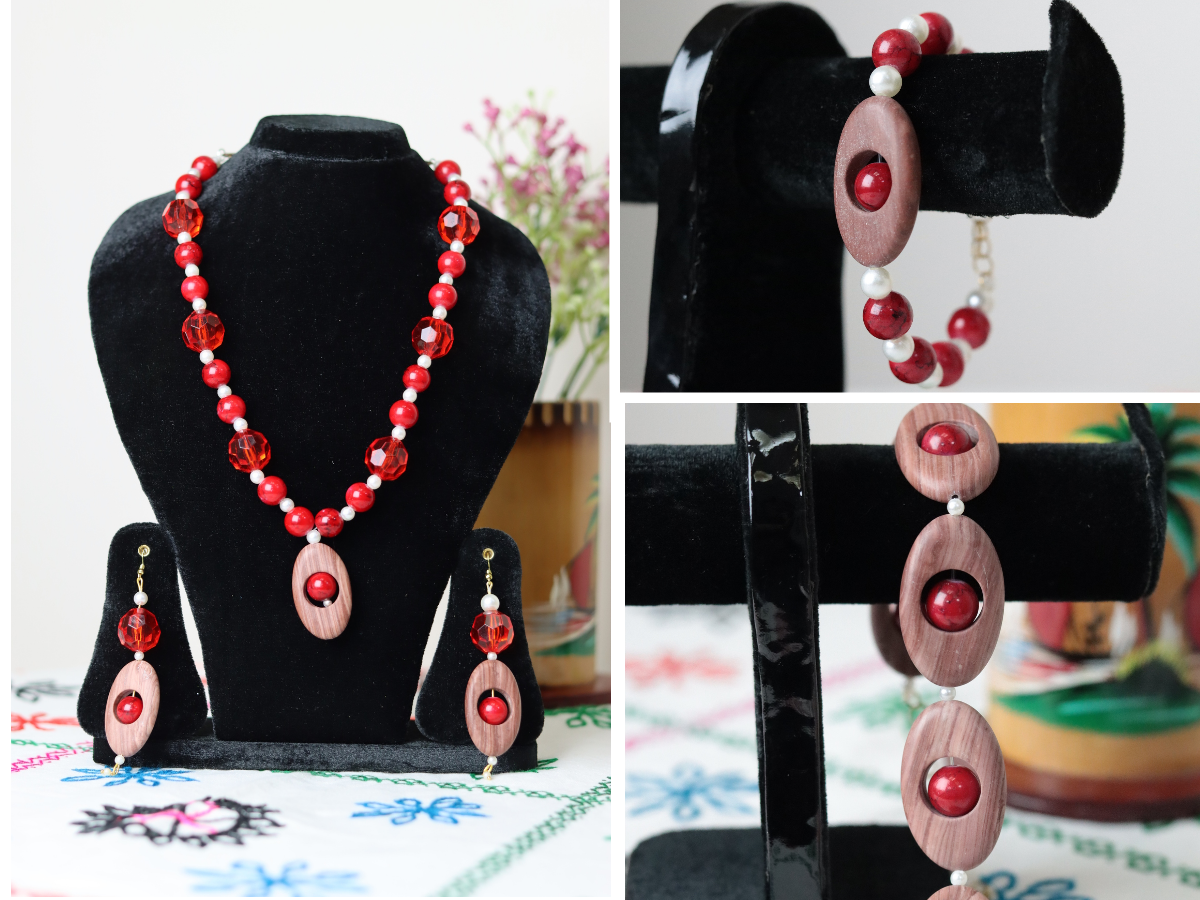
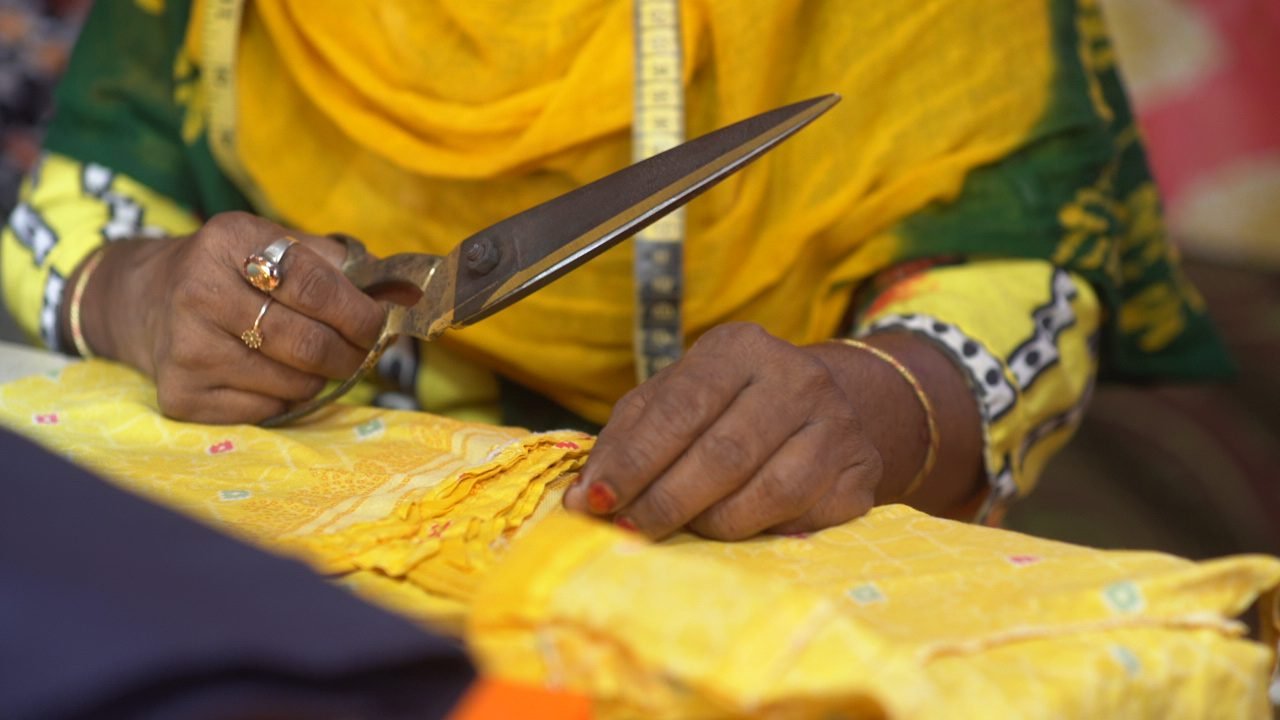
Moner Kaj aims to solve this long-standing crisis for millions of people around the world by integrating creative skills development, local production and market access to support social and economic inclusion. We connect six complementary components.
-
1
Connected digital platforms and local production hubs
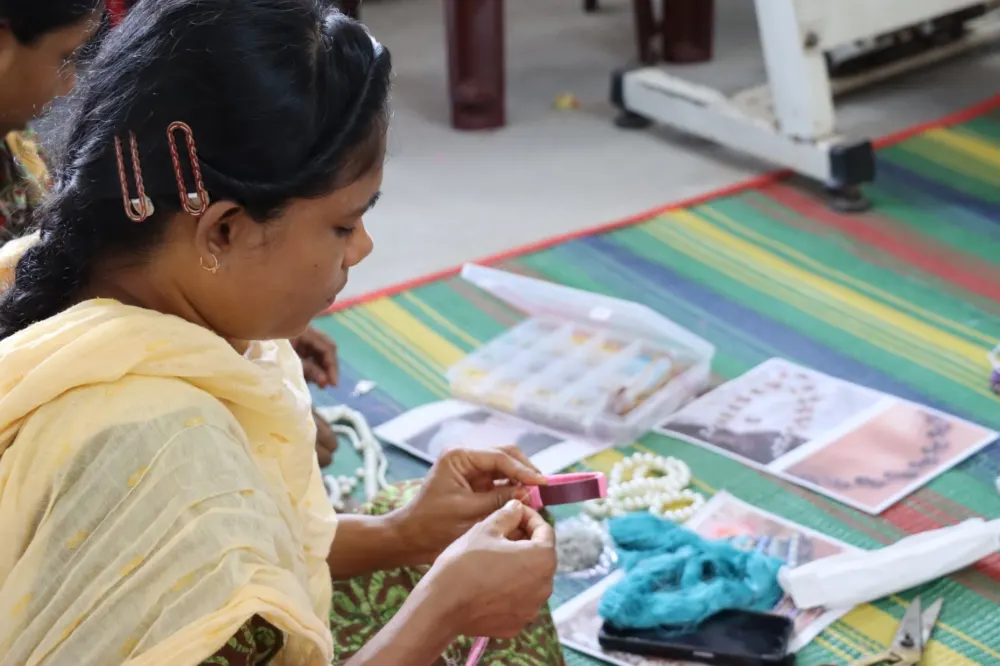
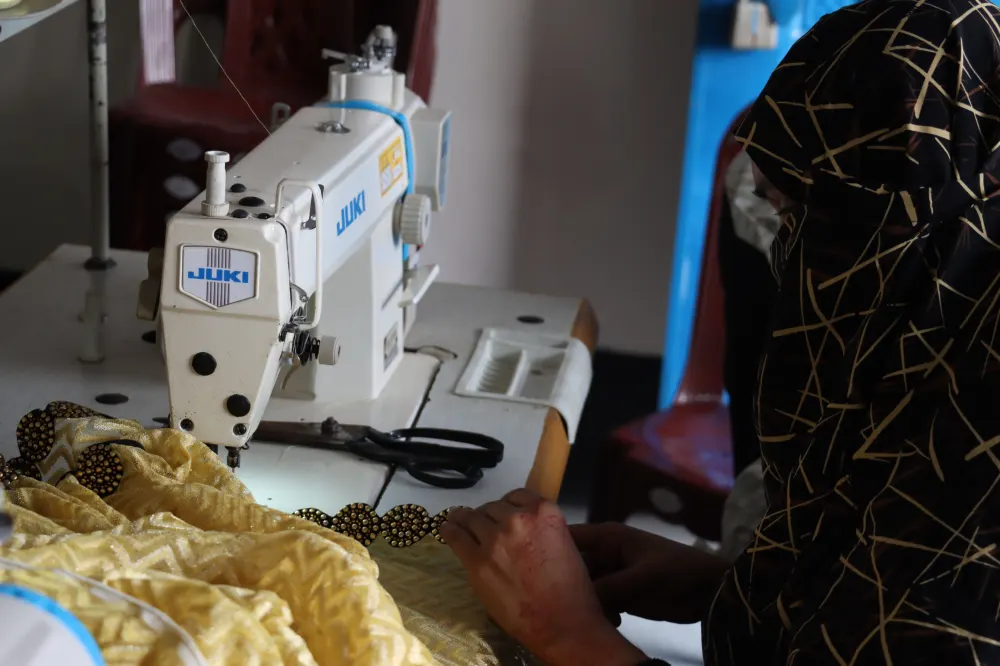
We link specialised digital platforms with a network of local production hubs. These hubs provide spaces for practical learning, product development and service delivery.
-
2
A coordinated pathway from skills development to economic participation
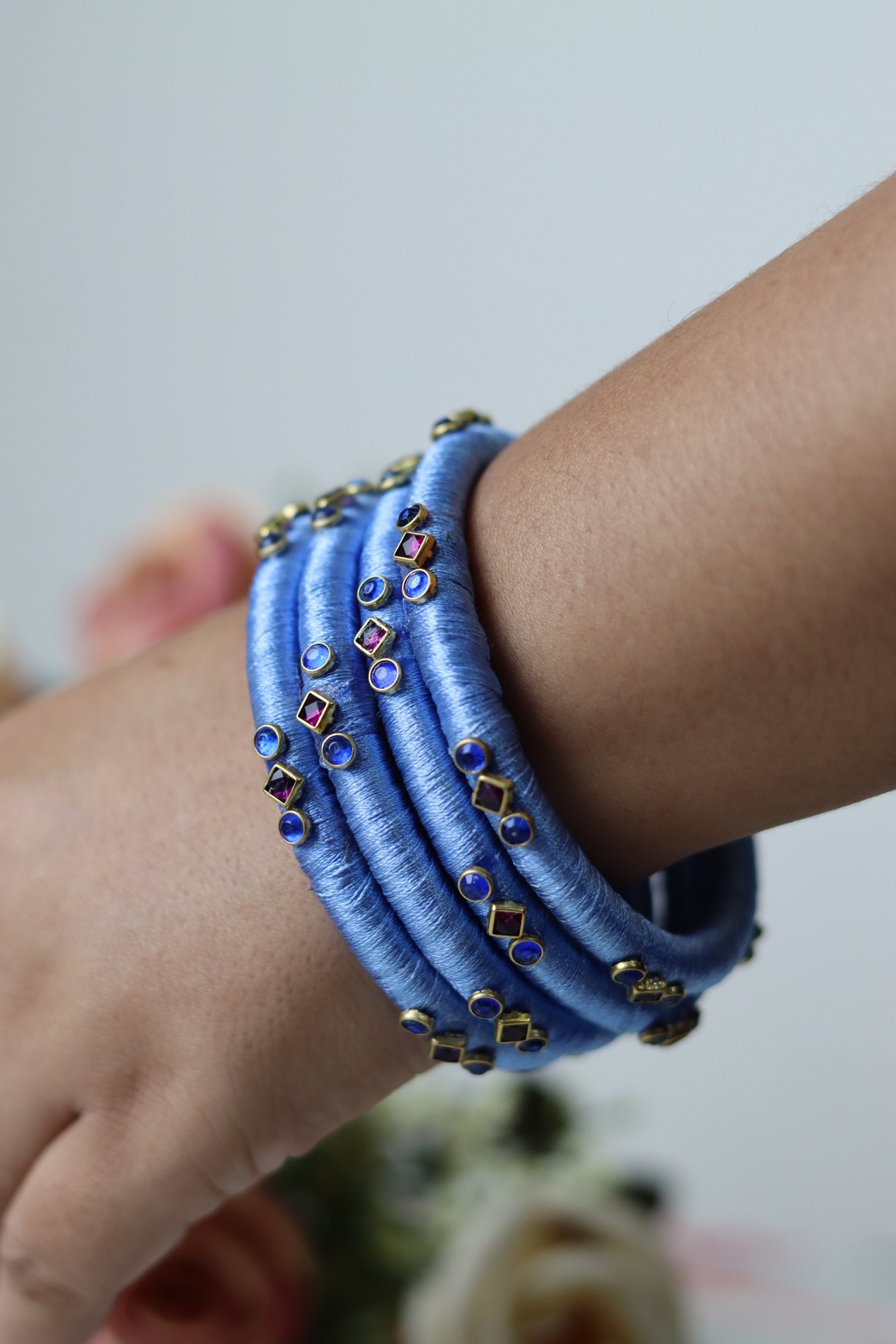
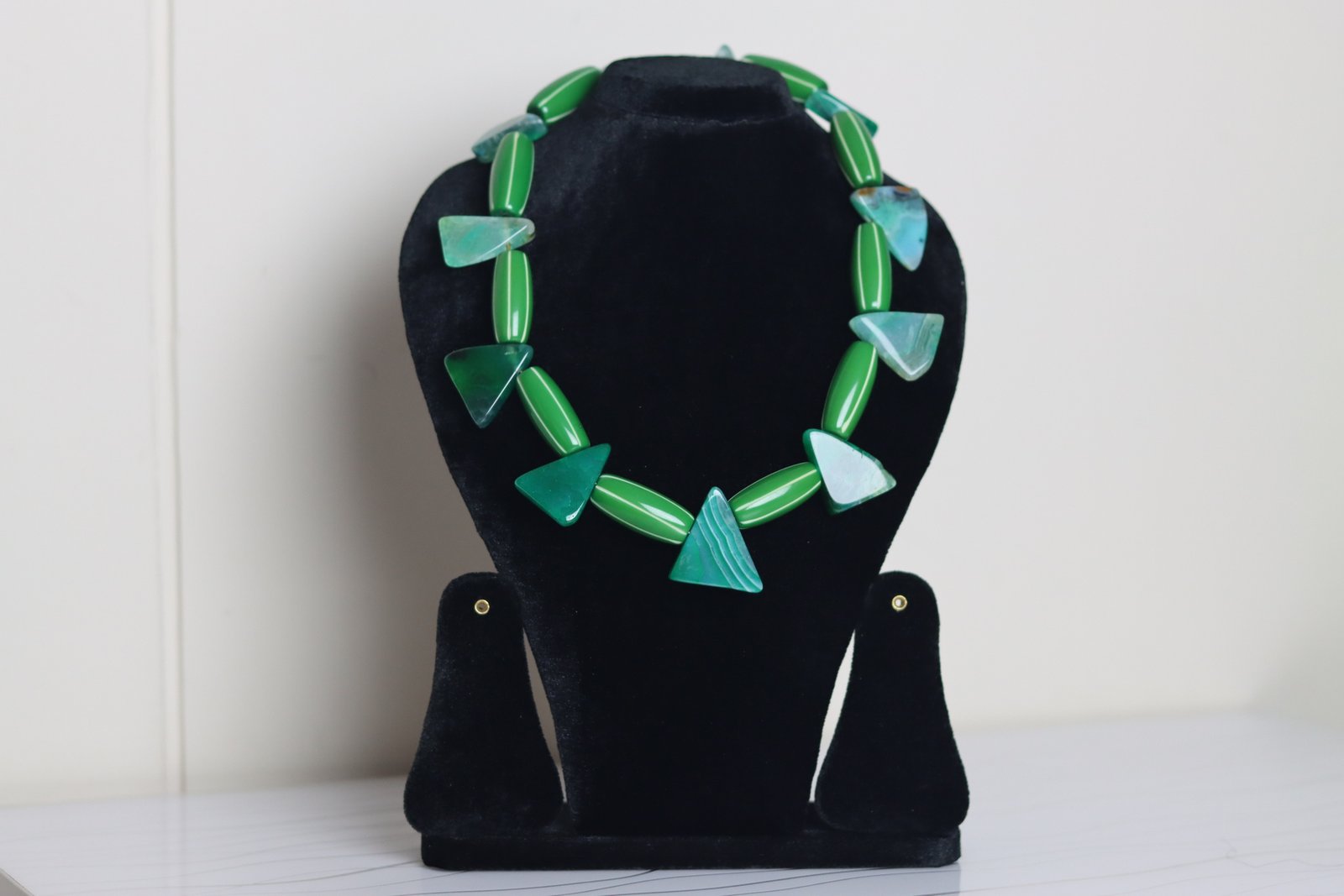
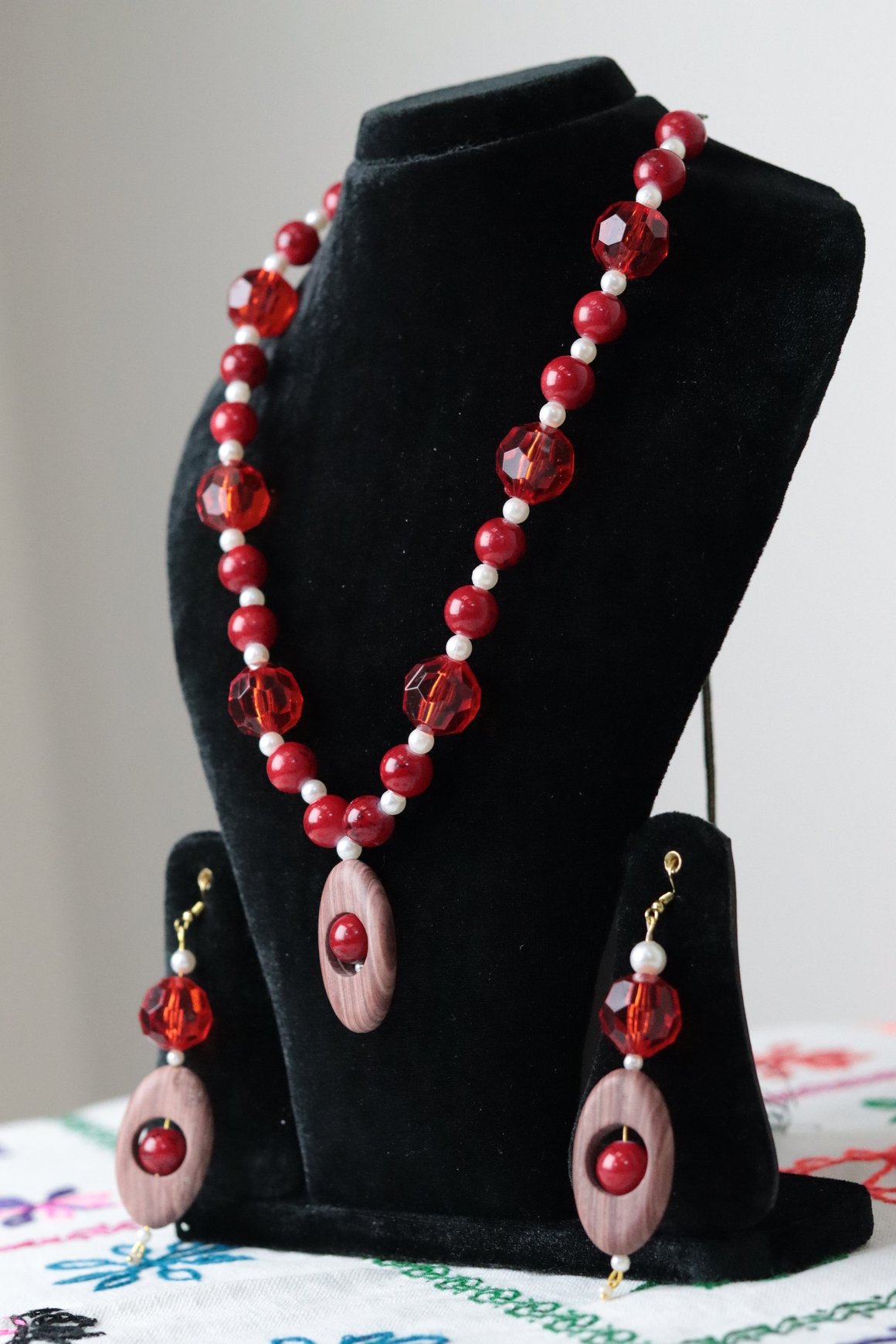
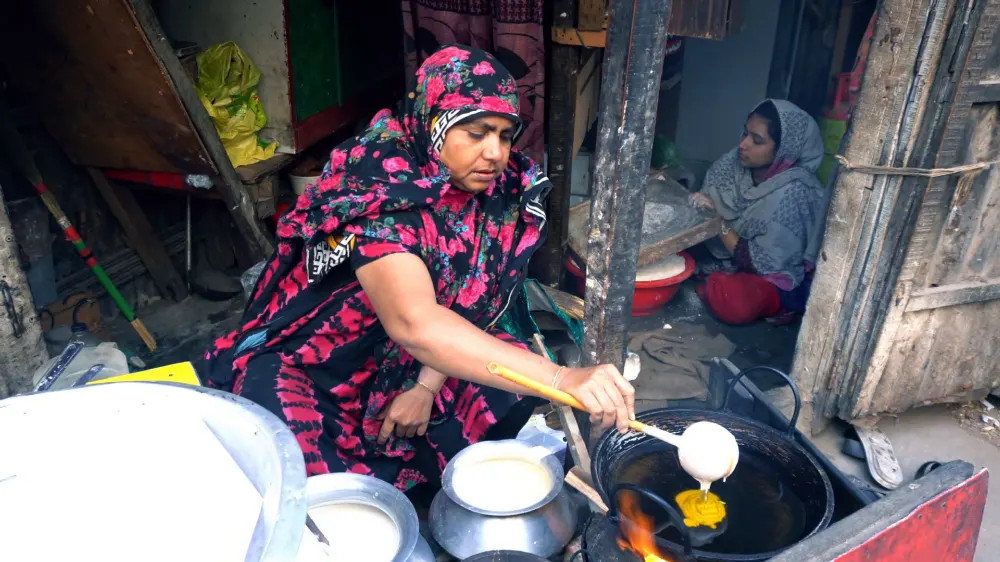
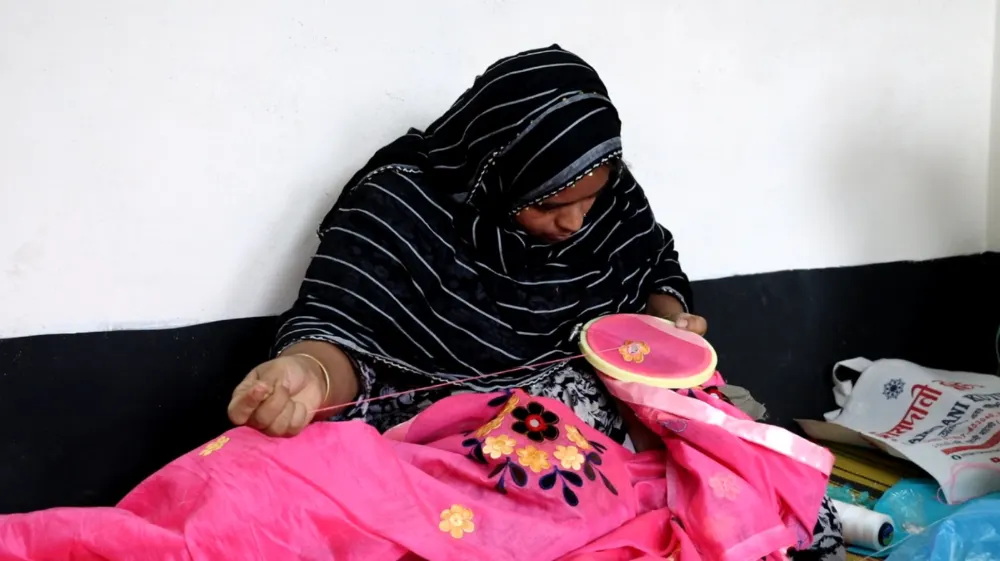
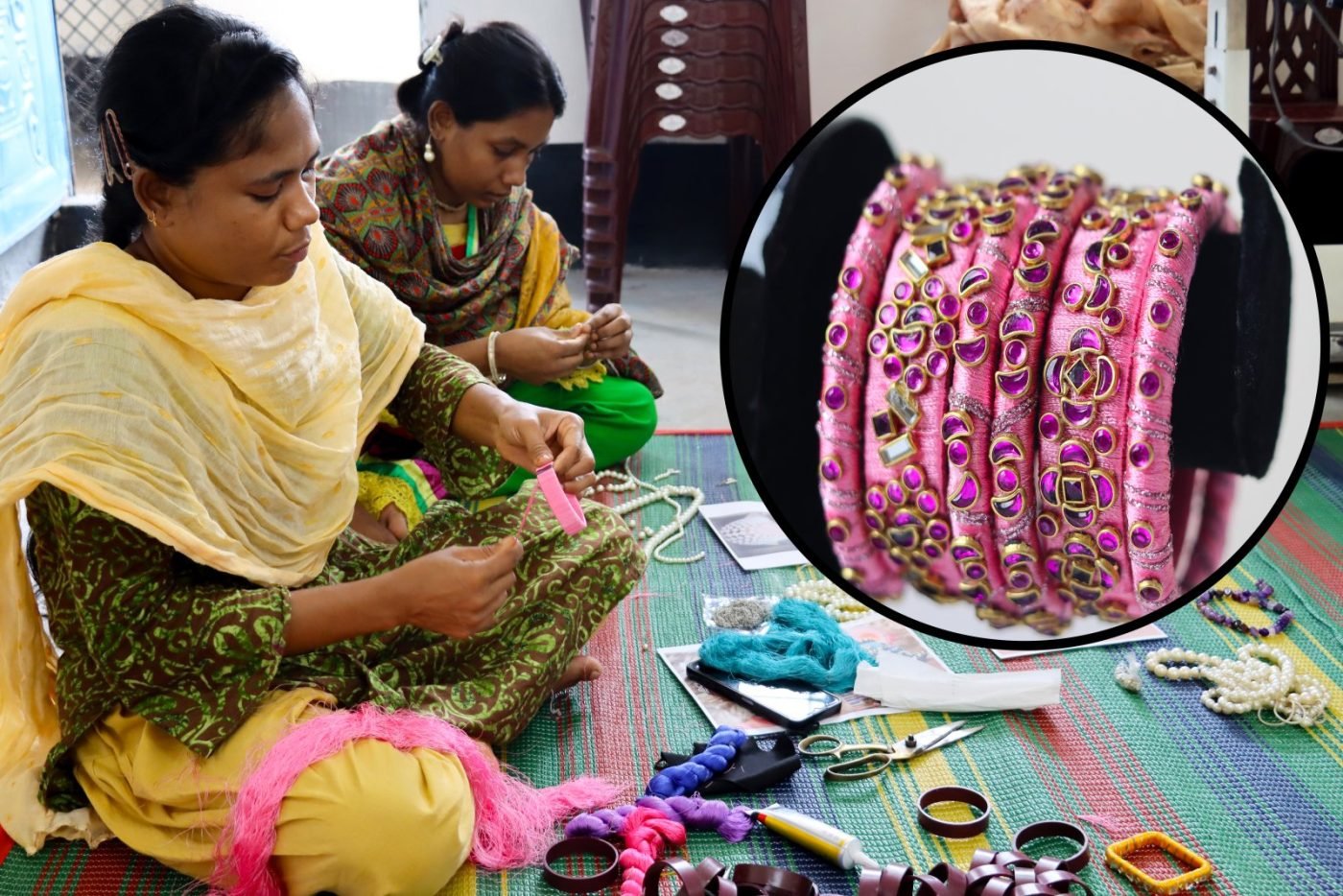
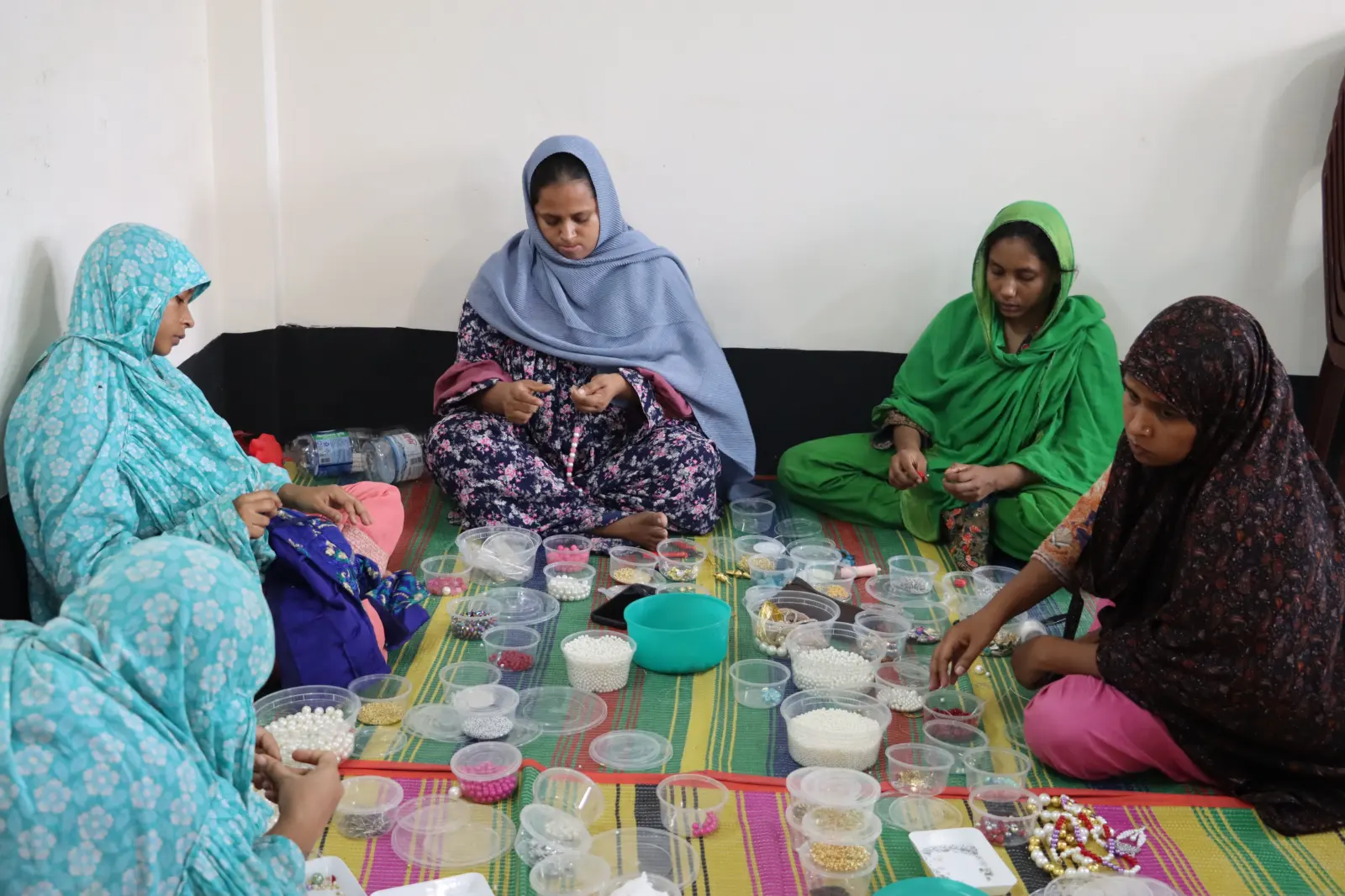
We connect training with opportunities to apply skills, produce goods and offer services. Participants sell their products and provide services through both online and offline channels. This approach links skills development directly with access to markets.
-
3
Skill development courses and interventions grounded in participants’ cultures and lived experiences
We are developing skill-building courses that connect cultural expression with product development and opportunities for online and offline sales. We will also develop structured interventions using creative arts to support clinical improvement, psychosocial development and quality of life.
-
4
Research across clinical, social and economic outcomes at individual, organisation and community level
We explore how participation in creative work relates to clinical outcomes, social participation and economic wellbeing.
-
5
Examination of stigma and perceptions of capability
We study community attitudes towards the capabilities and employment of people with serious mental illness and neurodevelopmental conditions.
-
6
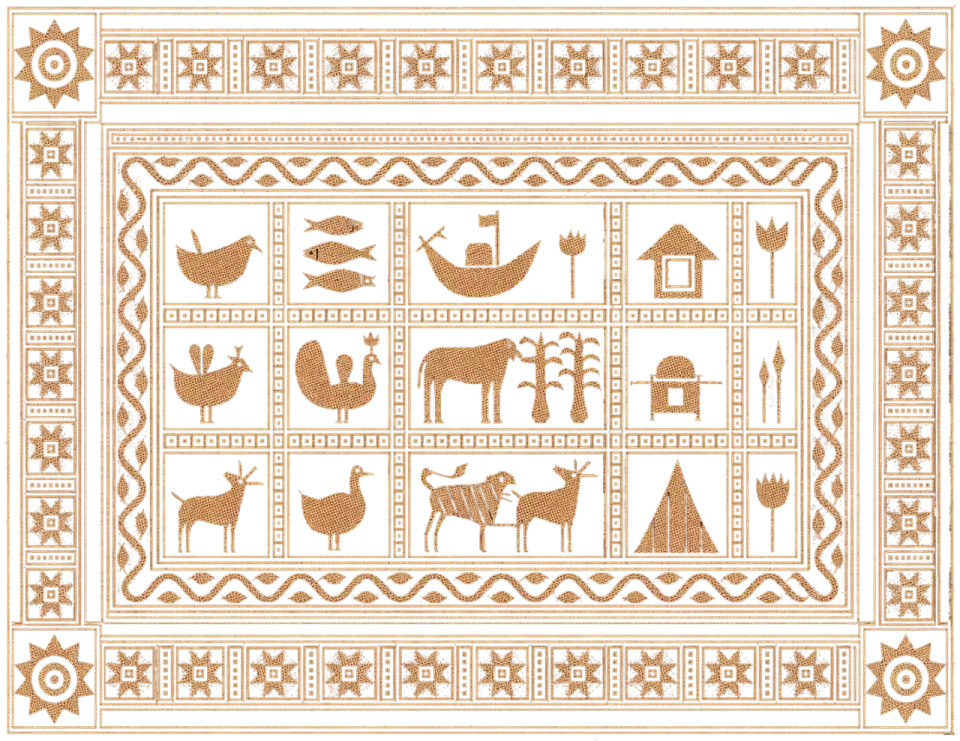
Preservation of local cultural heritage through the art and craft of Moner Kaj
We seek to preserve local cultural heritage through culturally relevant learning and creative production. This commitment connects economic inclusion with the continuation of local creative traditions.
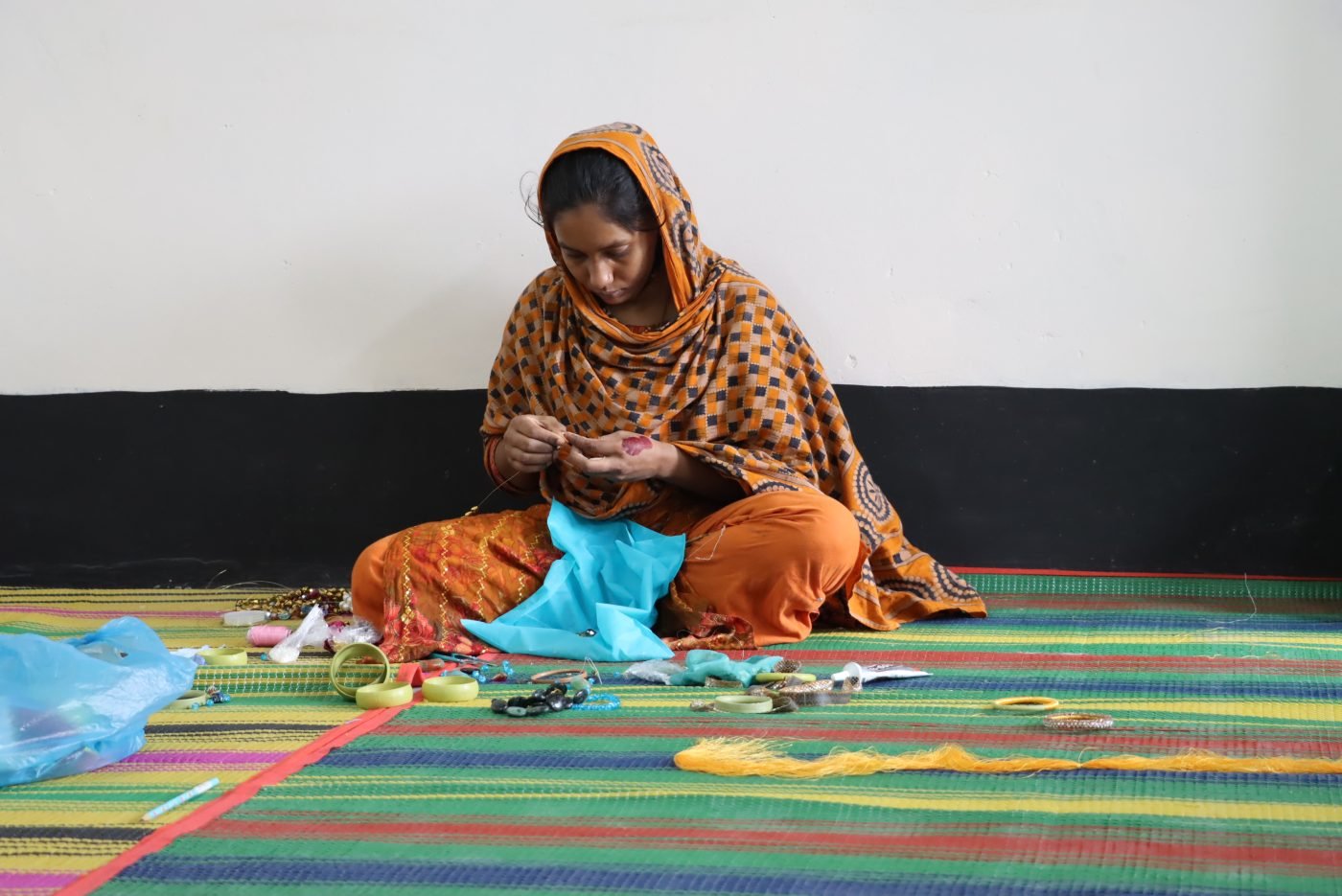
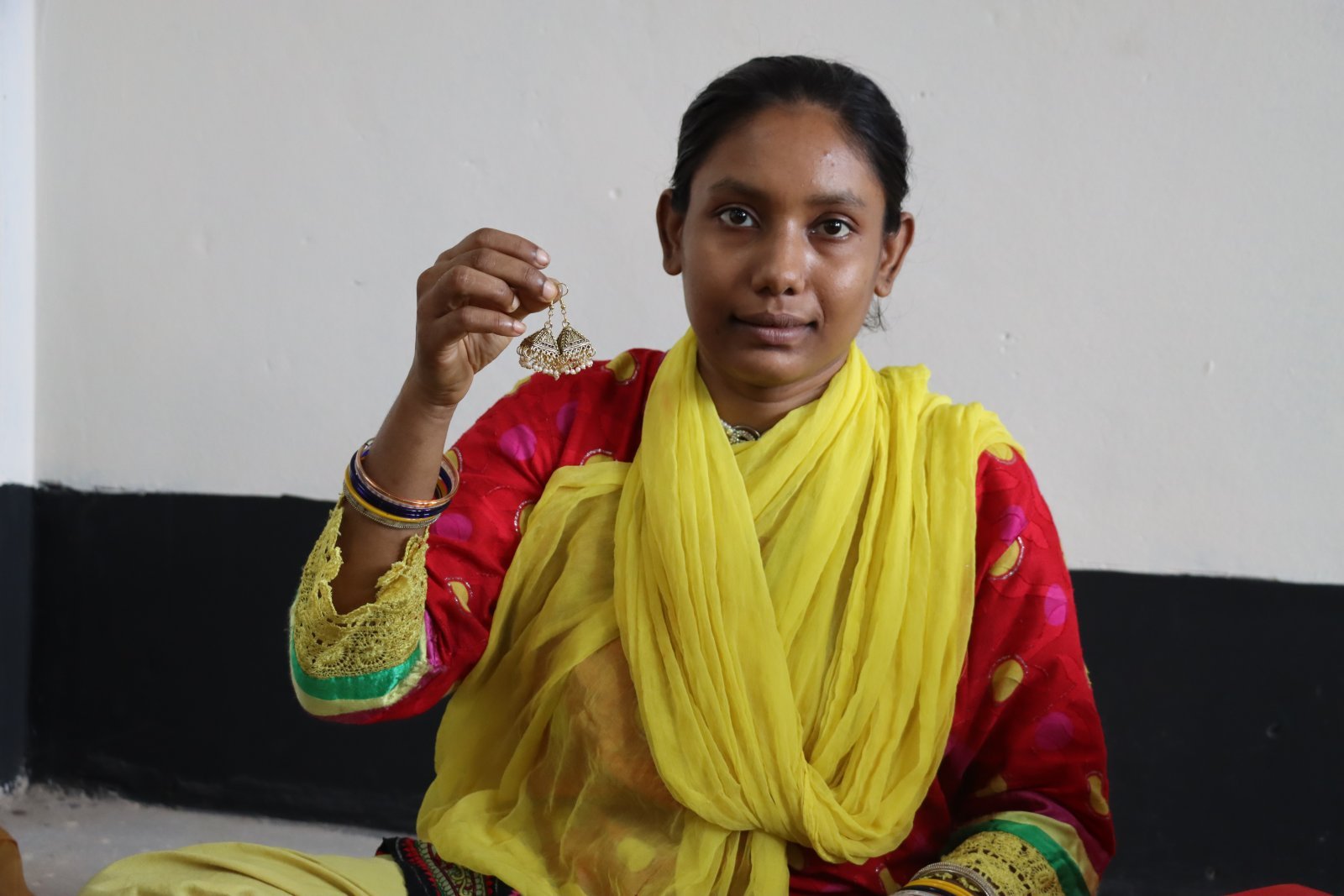
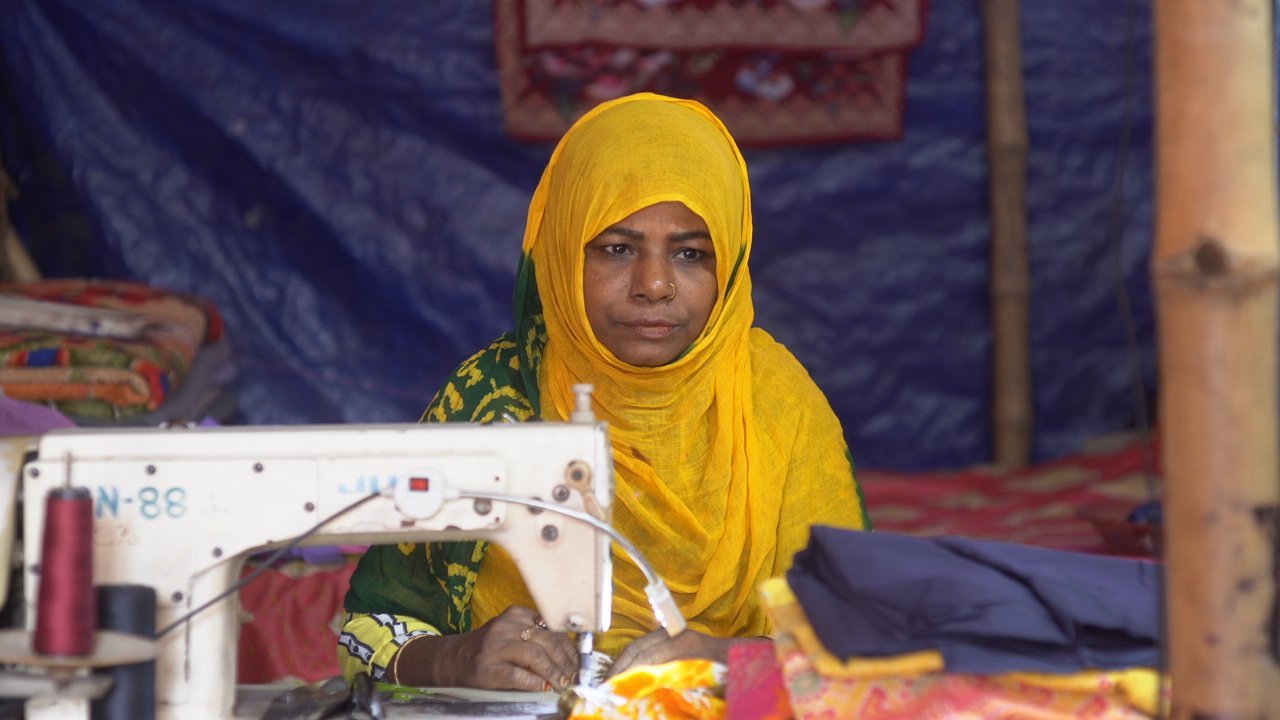
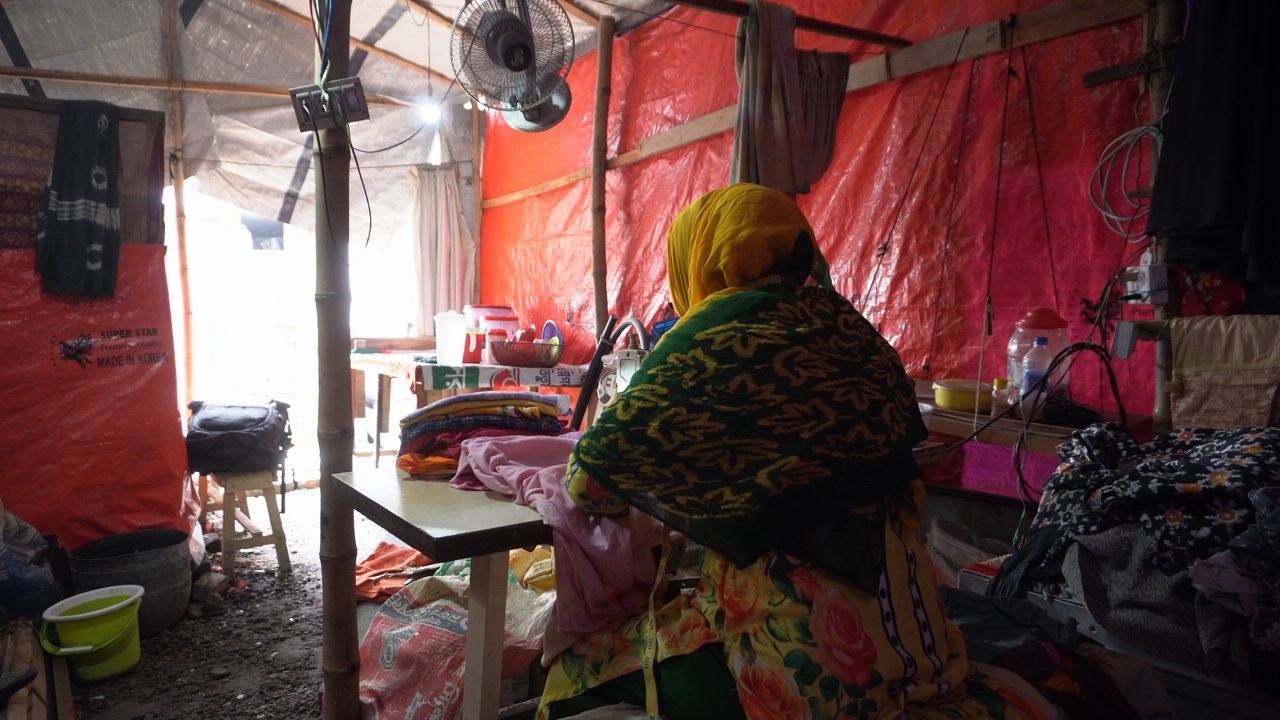
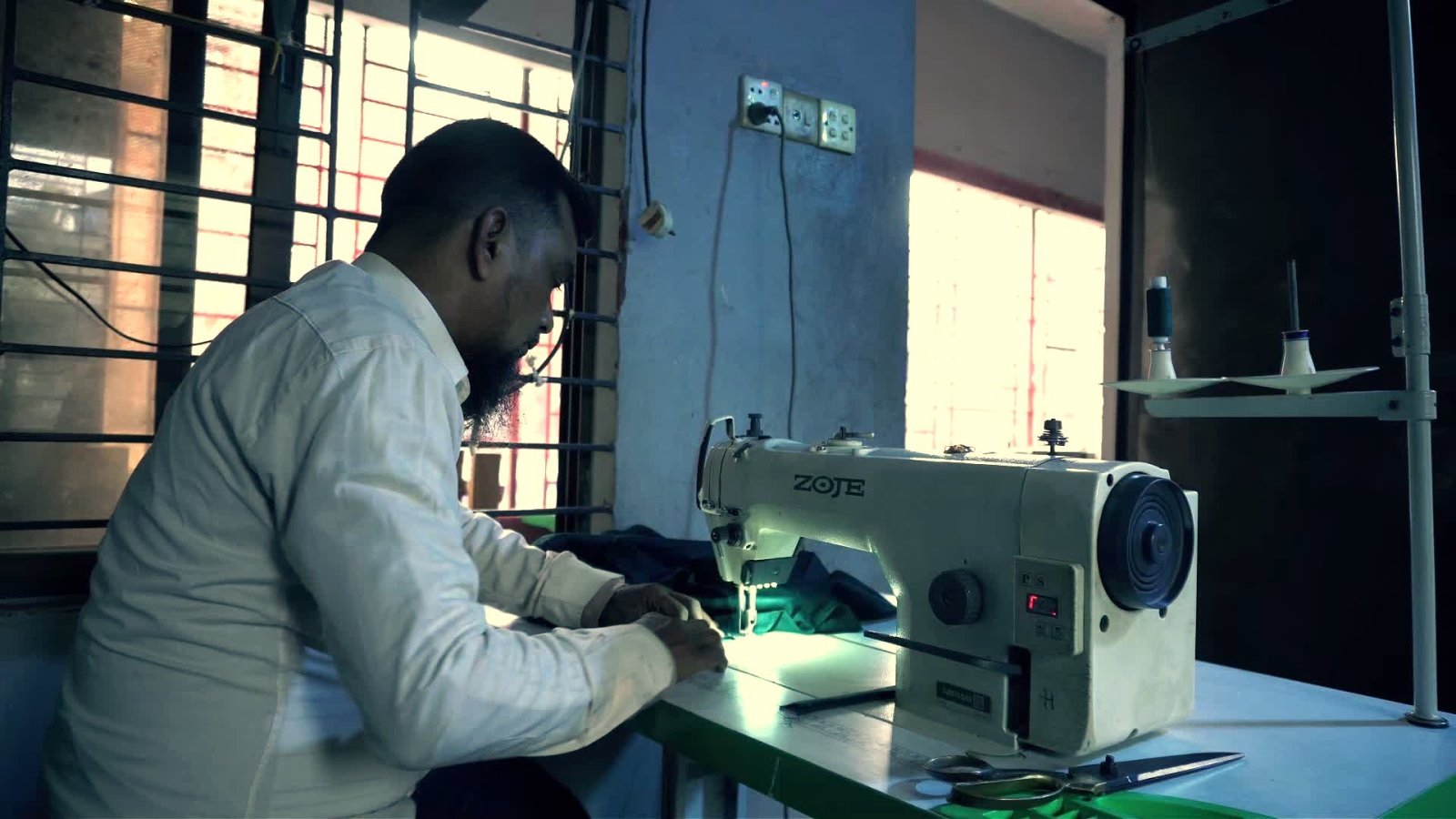
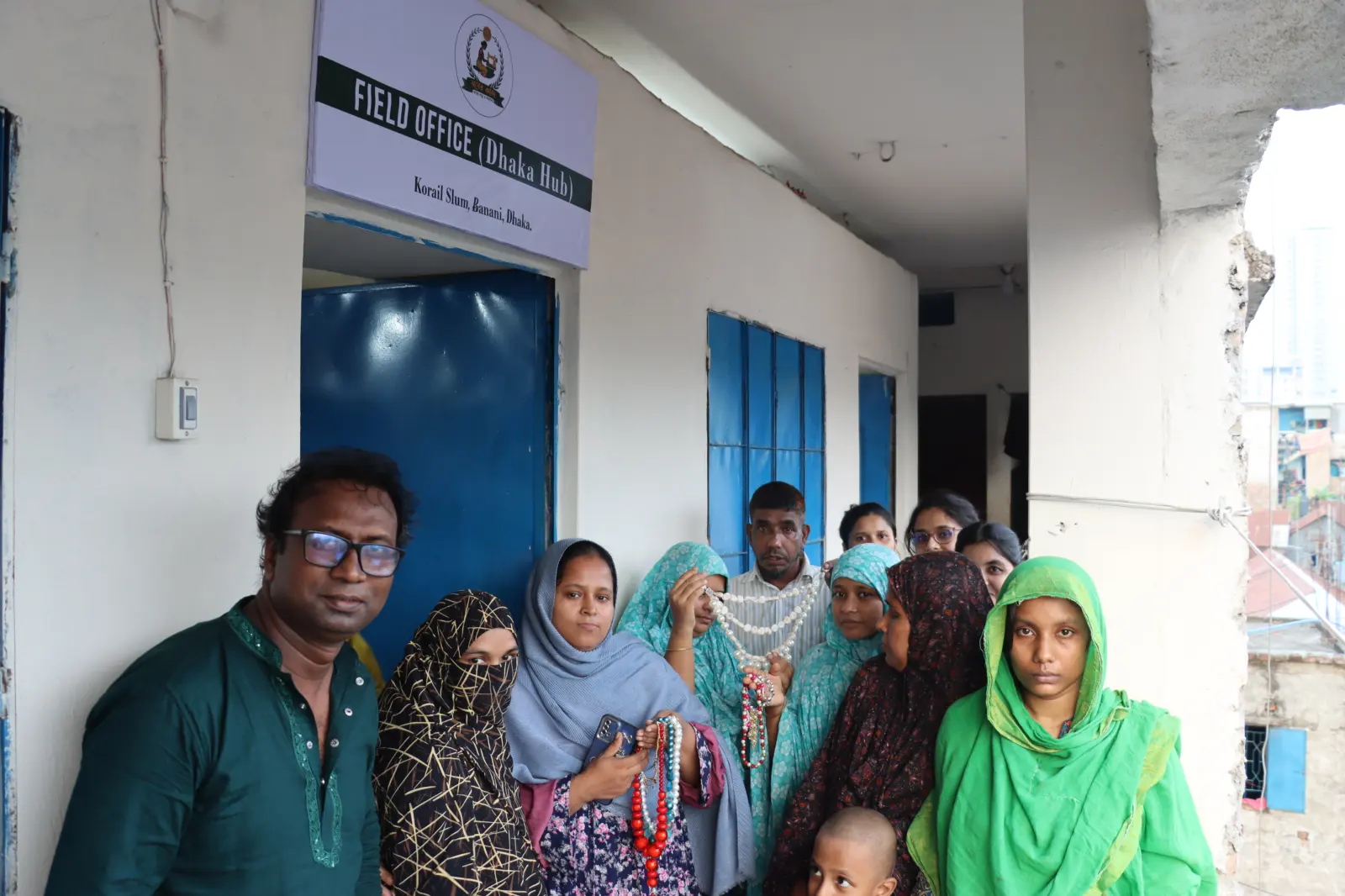
We run climate-adaptive, culturally grounded facilities known as Moner Ghor (Moner Kaj Hubs). Rather than forcing individuals into rigid, neurotypical corporate environments, our approach is “place-and-train”: supported employment integrated with creative therapies and community integration.
Our Team
Moner Kaj is led by Dr Tanjir Rashid Soron, a psychiatrist, implementation researcher, social entrepreneur and designer who brings together medical knowledge, research experience and human-centred system design in an equitable and empathetic way.